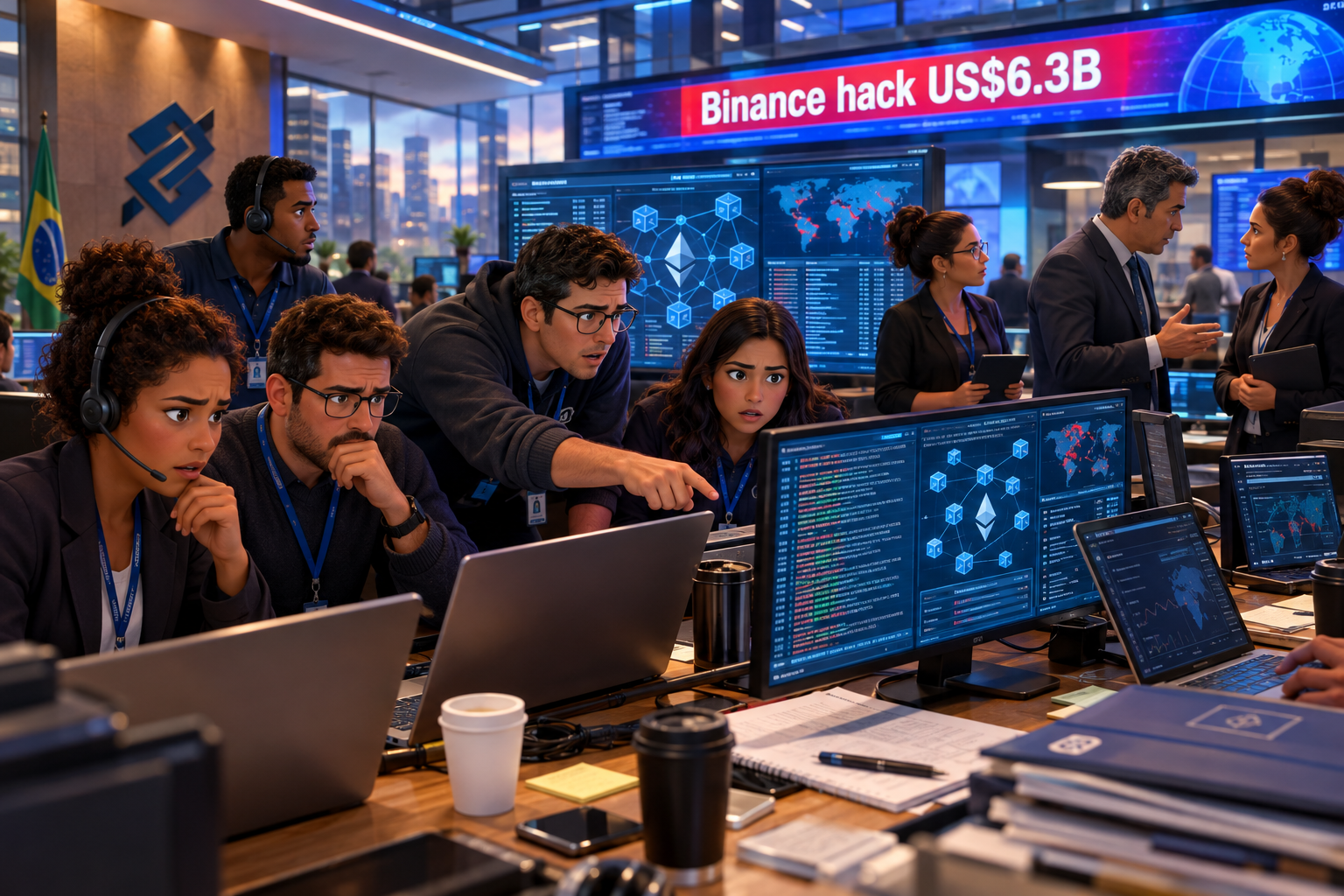
Fed and OCC scrutinize US banks after $6.3B Binance hack as experts flag security risks
The Federal Reserve (Fed) and the Office of the Comptroller of the Currency (OCC) in the United States have stepped up oversight of American banks following the $6.3 billion hack on Binance at the end of October. The regulators’ actions highlight concerns about transaction security and the banking system’s exposure to risks linked to the crypto universe.
US regulators on alert after the biggest attack of the year
The incident involving Binance, considered one of the largest global exchanges, was marked by a massive fund leak, allegedly orchestrated by the hacker group known as TraderTraitor. The immediate impact was felt not only by the cryptocurrency market but also by US banks, which began to be questioned by regulators about their connections and security protocols in operations related to cryptoassets.
According to industry sources, the Fed and OCC requested detailed information on how financial institutions monitor and mitigate risks associated with partners in the crypto ecosystem. The main concern centers on the possibility of side effects that could hit the traditional banking system if security failures at exchanges multiply.
Experts point to security flaws and challenges for the sector
After the incident, cybersecurity experts highlighted the need to improve protection mechanisms both at exchanges and in their integrations with banks. “The attack on Binance showed how vulnerabilities in large platforms can have systemic impacts,” an analyst told CoinsFrontier. The fear is that breaches at exchanges could be exploited to access banking systems, increasing the risk of fraud and money laundering.
Additionally, the episode reignited the debate over KYC (know your customer) practices and the importance of validating not only automated agents but also the human operators behind them. Recently, companies like TRM Labs have reinforced that tracking suspicious crypto activity should start with identifying real users, especially given the growing use of artificial intelligence in financial operations.
Crypto market reaction and exchanges’ response
After the attack, Binance reviewed its security protocols and even limited access for third-party platforms like SignalPlus, recommending that users immediately review their account security. The CEO of Gate.io, another major exchange, stated that exchanges need to demonstrate the ability to withstand similar attacks or risk losing market trust.
Meanwhile, recent information revealed that initiatives such as the T3 Crime unit, formed by Tether and Tron to investigate financial crimes, were shut down shortly before the Binance attack — which reinforced criticism about the lack of collaboration and coordinated response in the sector to combat cyber threats.
What to expect for banks and investors?
Fed and OCC oversight may result in stricter requirements for banks that maintain relationships with crypto companies, including reinforced transaction controls, frequent audits, and contract reviews with exchanges. For investors, the episode serves as a warning about the importance of assessing not only the security of platforms but also the resilience of the banking partners involved.
The Binance case could trigger a wave of regulatory reviews and pressure the sector to invest more in defense technology, compliance, and transparency. Market observers suggest that trust in exchanges and partner banks will become increasingly crucial for attracting new institutional and retail investors.
Want to trade crypto with AI support? Check out Zayion AI, Bianchi Capital’s trading assistant.
With information from Cointelegraph.
Resultados e relatos reais de quem usa o Zayion
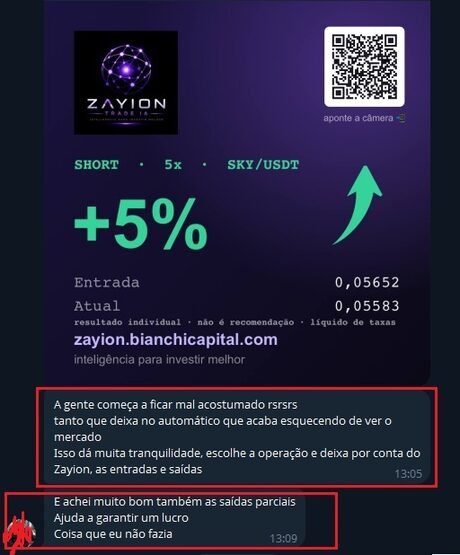
Sinal Zayion: SHORT SKY/USDT +5%
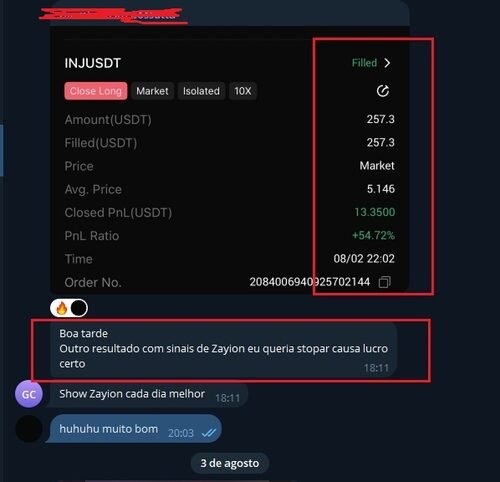
Operação fechada com +54,72% de PnL

Relato de usuário: “teve bons lucros realizados já”
Prints reais enviados por usuários. Resultados individuais e não representam garantia de rentabilidade. Conteúdo educacional, não é recomendação de investimento.
Quem escreve no CoinsFrontier
Alexandre Bianchi
Fundador da Bianchi Capital e do Zayion AI. ~10 anos no mercado de ativos digitais, autor de referência e presença na mídia.

Receba as melhores análises de cripto no seu e-mail
Automação, bots e sinais sem caixa-preta — direto no seu e-mail. Grátis.
Sem spam. Cancele quando quiser.
✅ Pronto! Confira seu e-mail (e a caixa de promoções) para confirmar.