
Bitcoin loses critical support amid record ETF outflows and Tether supply drop
This week, Bitcoin lost one of its most important technical supports, driven by a combination of significant outflows from Bitcoin exchange-traded funds (ETFs) and a notable reduction in the supply of Tether (USDT) in the market. This move comes amid persistent inflation in the United States and low liquidity, raising red flags for investors and potentially defining the asset’s next steps.
BTC below the 200-day average: why it matters
The Bitcoin price fell below the 200-day moving average, one of the most closely watched indicators by technical analysts. Historically, this level serves as a dividing line between bullish and bearish trends. At the close of the last session, BTC traded below $75,000 for the first time since April, signaling weakness in the support structure and a possible shift in market sentiment.
According to experts, losing this support increases the risk of a sharper correction, as many institutional investors use this reference to set their buy and sell strategies. The lack of significant buyers below this point could accelerate downward moves.
ETF outflows reach nearly $700 million
Bitcoin ETFs in the United States recorded net outflows of $696 million in just one week, with BlackRock’s fund standing out, already accumulating more than $1.66 billion in redemptions over seven sessions. The negative flow reflects increased risk aversion and a search for liquidity amid global macroeconomic uncertainty.
This movement is especially relevant because, since the approval of spot ETFs in January, they had been seen as the main driver of institutional demand. Now, the scenario has reversed and the selling pressure from redemptions is increasing BTC’s volatility.
Tether supply shrinks and liquidity drops
At the same time, the supply of Tether (USDT), the market’s main stablecoin, has been decreasing in major trading pairs. USDT is considered a liquidity thermometer, as it acts as a bridge for capital entering and exiting exchanges. The contraction suggests less new money is flowing into the crypto ecosystem, which could make positive price reactions harder in the short term.
In addition, global banks like Goldman Sachs and Citi have announced joint investments of $270 million to challenge stablecoins’ dominance in the sector, a move that could impact the liquidity market dynamic in the coming months.
US inflation and liquidated bets
The macroeconomic scenario is also weighing in: higher-than-expected inflation in the US wiped out about $200 million in leveraged crypto positions last week. This data reinforces investor caution and a preference for safer assets in times of instability, such as US Treasury bonds, over more volatile crypto assets.
Bitcoin, in fact, has lagged behind the stock market’s recovery, with investors closely watching the next US inflation report, which could dictate the pace of new moves in the crypto market.
What to watch next
With the 200-day support lost, analysts point to levels between $68,000 and $70,000 as the next areas of interest on the chart. If negative ETF flows persist and USDT supply continues to fall, BTC could test even lower levels. On the other hand, a reversal in the macro scenario or signs of renewed liquidity could bring buyers back.
Want to trade crypto with AI support? Check out Zayion AI, Bianchi Capital’s trading assistant.
With information from BeInCrypto Brazil.
Resultados e relatos reais de quem usa o Zayion
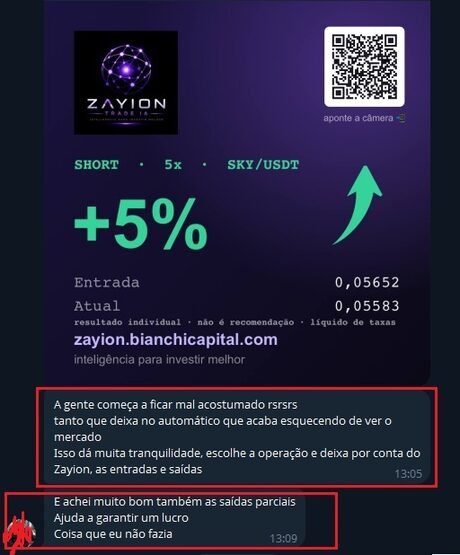
Sinal Zayion: SHORT SKY/USDT +5%
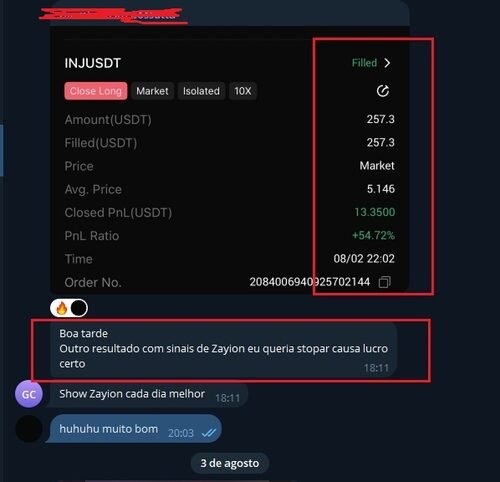
Operação fechada com +54,72% de PnL

Relato de usuário: “teve bons lucros realizados já”
Prints reais enviados por usuários. Resultados individuais e não representam garantia de rentabilidade. Conteúdo educacional, não é recomendação de investimento.
Quem escreve no CoinsFrontier
Alexandre Bianchi
Fundador da Bianchi Capital e do Zayion AI. ~10 anos no mercado de ativos digitais, autor de referência e presença na mídia.

Receba as melhores análises de cripto no seu e-mail
Automação, bots e sinais sem caixa-preta — direto no seu e-mail. Grátis.
Sem spam. Cancele quando quiser.
✅ Pronto! Confira seu e-mail (e a caixa de promoções) para confirmar.