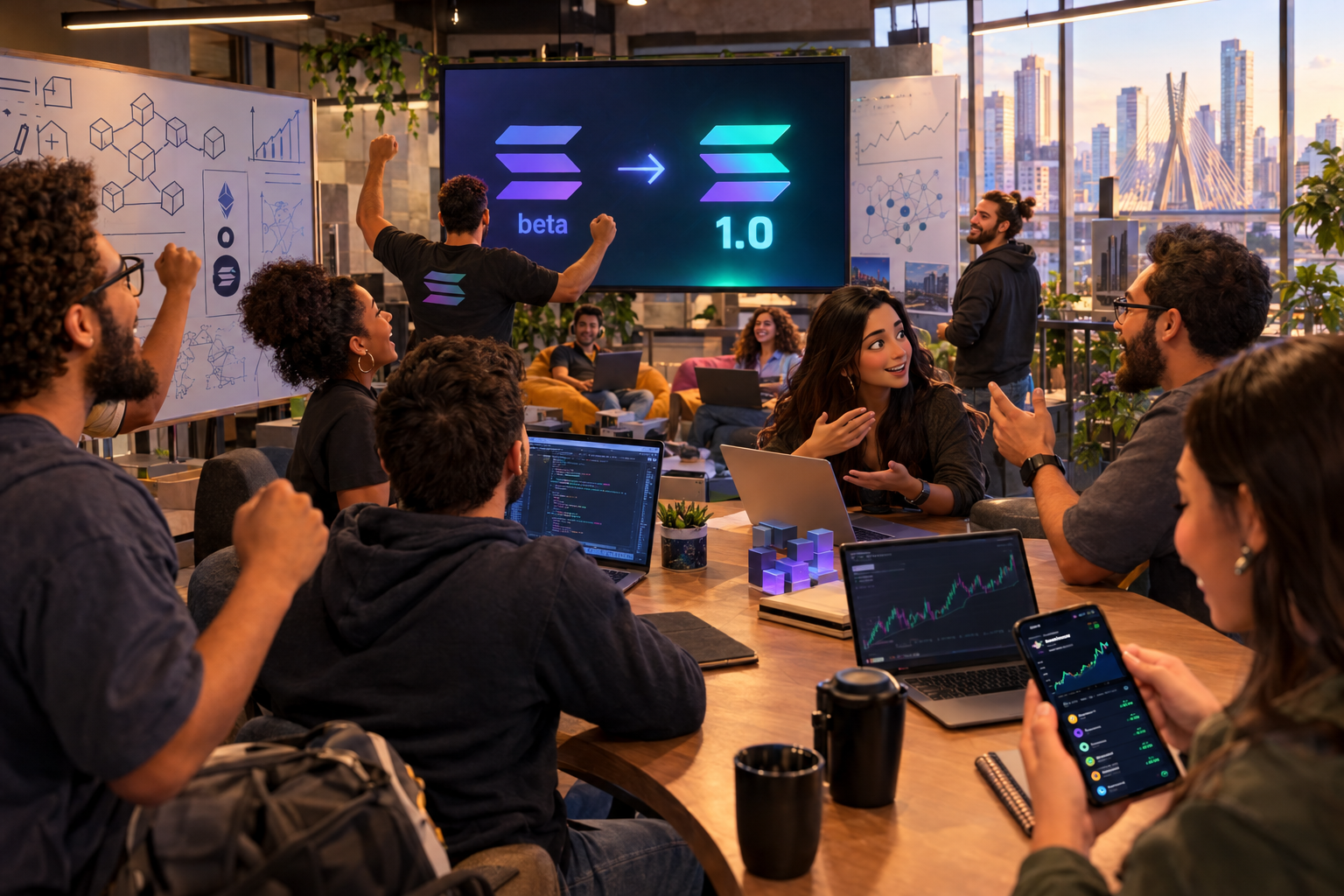
Solana ends beta phase and adopts version 1.0 after six years of testing
The Solana blockchain has left its testing period behind and is now operating with version 1.0, a decision announced this Thursday (16th). The move marks the end of the “mainnet beta” status that has accompanied the network since its launch in 2020, indicating greater confidence in the protocol’s stability and aiming for institutional adoption.
What changes for Solana investors?
According to the Solana Foundation team, removing the ‘beta’ label does not change the operation of wallets, decentralized applications, or the transaction process. For investors, the change represents greater maturity and stability of the protocol, making the ecosystem potentially more attractive to major players, according to the official statement published on November 16, 2026.
The beta status was seen by part of the market as a sign that the network was still subject to structural changes. Now, with the adoption of version 1.0, Solana seeks to strengthen its reputation among institutional investors and developers. The team assures that the update will not require any action from users and that the transaction history, as well as the functioning of tokens and apps, remains the same.
Why did Solana take more than six years to leave beta?
According to the Solana Foundation, the long testing period was necessary to ensure the robustness of the infrastructure in the face of the ecosystem’s rapid growth, especially in 2021 and 2022, when the network faced overloads and instability. The process involved adjustments in scalability, security, and governance until reaching standards considered adequate for a layer 1 protocol.
Solana’s main challenge was balancing high performance — with peaks of up to 65,000 transactions per second — and stability. In 2022, the network went through at least six service interruptions, which led to deep codebase reviews and changes in consensus mechanisms. The decision to leave beta comes after successive cycles of successful testing and improvements inspired by feedback from the global developer community.
What impact could the new version have on the crypto market?
Experts point out that adopting version 1.0 could boost institutional use of Solana, as the end of beta status removes barriers for major financial integrations and mission-critical applications. According to CoinGecko data, the SOL token has appreciated 12% since the first rumors of the update, reflecting increased investor confidence.
In addition, the recent integration with Ledger, which brought “clear signing” for swaps on Jupiter, reinforces Solana’s commitment to wallet security and usability. The expectation is that new projects and partnerships will be announced, taking advantage of the network’s reputation for speed and now official stability.
| Network | Version | Transactions per second | Update date |
|---|---|---|---|
| Solana | 1.0 | 65,000 | 11/16/2026 |
| Ethereum | 2.0 | 30 | 09/15/2022 |
| Polygon | PoS | 7,000 | May/2023 |
Want to trade crypto with AI support? Meet Zayion AI, Bianchi Capital’s trading assistant.
With information from CoinDesk.
Resultados e relatos reais de quem usa o Zayion
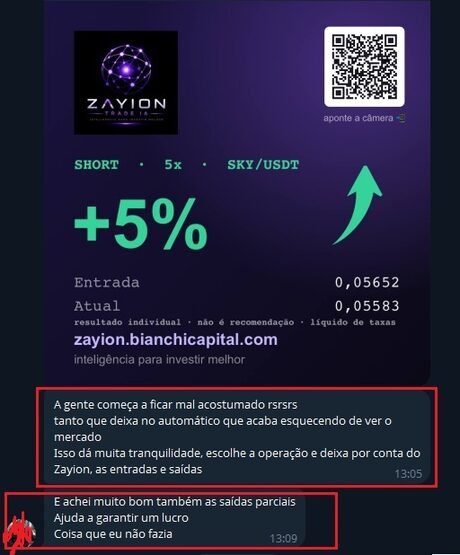
Sinal Zayion: SHORT SKY/USDT +5%
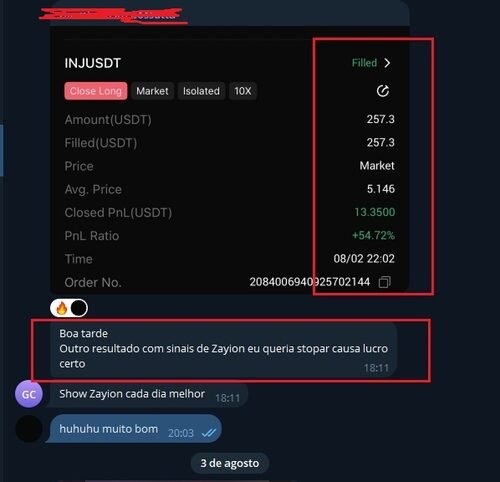
Operação fechada com +54,72% de PnL
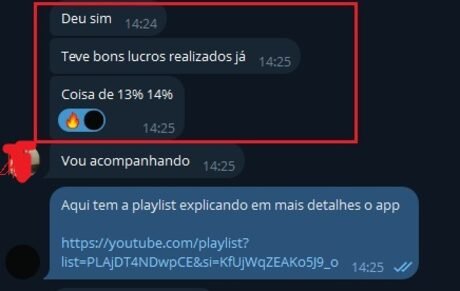
Relato de usuário: “teve bons lucros realizados já”
Prints reais enviados por usuários. Resultados individuais e não representam garantia de rentabilidade. Conteúdo educacional, não é recomendação de investimento.
Quem escreve no CoinsFrontier
Alexandre Bianchi
Fundador da Bianchi Capital e do Zayion AI. ~10 anos no mercado de ativos digitais, autor de referência e presença na mídia.

Receba as melhores análises de cripto no seu e-mail
Automação, bots e sinais sem caixa-preta — direto no seu e-mail. Grátis.
Sem spam. Cancele quando quiser.
✅ Pronto! Confira seu e-mail (e a caixa de promoções) para confirmar.