
Hacker attack on testing platform compromises major company websites and targets crypto wallets
Last week, hackers exploited a vulnerability in the Optimizely testing platform to inject malicious code into 178 websites of major companies, such as Ledger, HSBC, and BBC. The attack allowed criminals to replace crypto wallet addresses and collect sensitive card data from visitors, raising concerns about digital security in the crypto ecosystem.
How did the attack on the websites affect cryptocurrency users?
According to Decrypt, visitors to sites like Ledger and HSBC had their crypto wallet addresses replaced with those of the hackers, increasing the risk of fund diversion during transactions. The malicious code also collected credit card information, expanding the impact of the attack.
The attack vector was Optimizely, a popular A/B testing platform used to optimize websites. The hackers compromised Optimizely’s JavaScript code, which was loaded by several major company websites. So, every time a user accessed one of these sites, the malicious script ran, intercepting and altering sensitive information in real time.
Among the main targets were exchanges, wallets, and financial platforms, such as Ledger, a global reference in digital asset security. The attack shows that even specialized companies can be affected by vulnerabilities in third-party services.
Which companies and sectors were affected by the attack?
According to investigations by CoinDesk and Cointelegraph, the attack hit websites of 178 companies across sectors like finance, communications, and technology. Ledger, HSBC, BBC, and Zoom are among the confirmed names. The scale of the incident highlights the dependence on external providers and the associated risks.
Beyond the crypto segment, companies from other sectors were also targeted, showing that the hackers’ strategy was to maximize the reach of the malicious code. For investors and crypto users, the case reinforces the need for caution when making online transactions, even on trusted sites.
| Affected company | Sector | Type of data targeted |
|---|---|---|
| Ledger | Cryptocurrencies | Crypto wallets |
| HSBC | Finance | Card and wallets |
| BBC | Media | Card |
| Zoom | Technology | Card |
What changes for those investing in cryptocurrencies?
For crypto asset investors, the episode highlights the importance of carefully checking wallet addresses before transferring funds, and avoiding clicking on links or making transactions in unverified environments. Ledger advised its users to be extra vigilant and review security procedures.
The attack also reignites the debate about digital supply chain security. Crypto sector companies will need to review integration policies with suppliers and strengthen third-party code audits. For investors, the lesson is clear: even well-known platforms can be compromised by external breaches.
Why are these types of attacks becoming more common?
According to experts interviewed by Decrypt, the growing sophistication of hackers and the interdependence of digital services are making supply chain attacks more frequent. By compromising a widely used provider like Optimizely, criminals can hit hundreds of sites at once, increasing the reach of the scam.
The crypto sector, due to the high liquidity and anonymity of transactions, remains an attractive target for this type of action. The case reinforces the need for constant updates to security practices and greater transparency from technology providers.
Want to trade crypto with AI support? Check out Zayion AI, the trading assistant from Bianchi Capital.
With information from Decrypt, CoinDesk, Cointelegraph, BeInCrypto, and Portal do Bitcoin.
Resultados e relatos reais de quem usa o Zayion
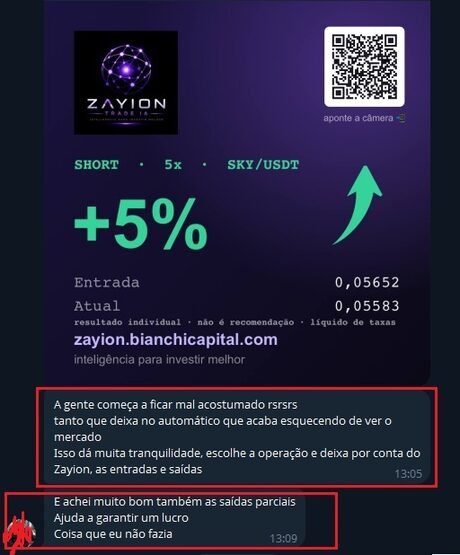
Sinal Zayion: SHORT SKY/USDT +5%
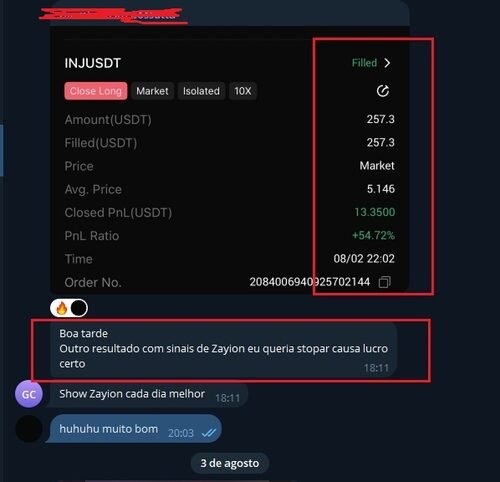
Operação fechada com +54,72% de PnL

Relato de usuário: “teve bons lucros realizados já”
Prints reais enviados por usuários. Resultados individuais e não representam garantia de rentabilidade. Conteúdo educacional, não é recomendação de investimento.
Quem escreve no CoinsFrontier
Alexandre Bianchi
Fundador da Bianchi Capital e do Zayion AI. ~10 anos no mercado de ativos digitais, autor de referência e presença na mídia.

Receba as melhores análises de cripto no seu e-mail
Automação, bots e sinais sem caixa-preta — direto no seu e-mail. Grátis.
Sem spam. Cancele quando quiser.
✅ Pronto! Confira seu e-mail (e a caixa de promoções) para confirmar.