
New proposal seeks to protect Bitcoin from quantum attacks with larger digital signatures
Researchers released the SHRINCS proposal this week, suggesting the use of digital signatures between 548 and 5,777 bytes to strengthen Bitcoin’s security against potential quantum computer attacks in the future. The measure aims to prevent hackers from exploiting vulnerabilities related to key reuse, a scenario that could allow the theft of digital assets.
What is the SHRINCS proposal and how does it aim to protect Bitcoin?
The SHRINCS proposal, presented by international researchers, suggests using significantly larger digital signatures — ranging from 548 to 5,777 bytes — to protect Bitcoin transactions from quantum computer attacks. According to the authors, the approach aims to eliminate signature forgery risks if disposable keys are reused, one of the sensitive points of the current protocol.
Currently, Bitcoin uses the ECDSA algorithm, with compact signatures of about 71 bytes. However, advances in quantum computing could, in the future, break this cryptographic standard. SHRINCS proposes a new scheme that, despite increasing signature size, promises greater resistance to potential attacks from quantum computers, which can process calculations exponentially faster than classical systems.
Why does quantum computing threaten Bitcoin?
Quantum computers could, in theory, solve complex mathematical problems that underpin Bitcoin’s security, such as factoring large numbers, making it possible to forge digital signatures. According to the researchers’ study, this scenario could allow hackers to steal funds by exploiting public keys already used in previous transactions.
Although quantum technology is not an immediate threat, experts warn that Bitcoin, due to its key reuse model, could be a priority target. If defenses do not evolve, billions of dollars in digital assets could become vulnerable to sophisticated attacks in the coming years.
What changes for Bitcoin users and investors?
If the SHRINCS proposal is adopted, Bitcoin transactions could become larger due to the more extensive digital signatures, which may impact network fees and processing capacity. According to the researchers’ preliminary 131-page analysis, independent audits are still needed to validate the security and operational viability of this new standard.
For investors, the main change is the pursuit of greater asset protection, even in the face of future threats. However, adopting larger signatures could increase transaction costs and require updates to wallets and validation systems. The debate over implementation remains open, with experts weighing the pros and cons.
| Signature type | Average size (bytes) | Quantum resistance |
|---|---|---|
| ECDSA (current) | 71 | Low |
| SHRINCS (proposed) | 548 to 5,777 | High (theoretical) |
When could quantum protection be implemented in Bitcoin?
So far, there is no timeline for adopting SHRINCS or any similar solution on the Bitcoin network, as the study still requires rigorous technical review and independent audits. As stated by the authors, the proposal is a starting point for discussions on post-quantum security, but is far from being an official standard.
The Bitcoin community is known for its caution regarding structural changes, requiring global consensus and exhaustive testing before any update. Because of this, the advancement of proposals like SHRINCS depends not only on technical validation but also on acceptance by developers, miners, and users.
Want to trade crypto with AI support? Meet Zayion AI, Bianchi Capital’s trading assistant.
With information from BitNotícias.
Resultados e relatos reais de quem usa o Zayion
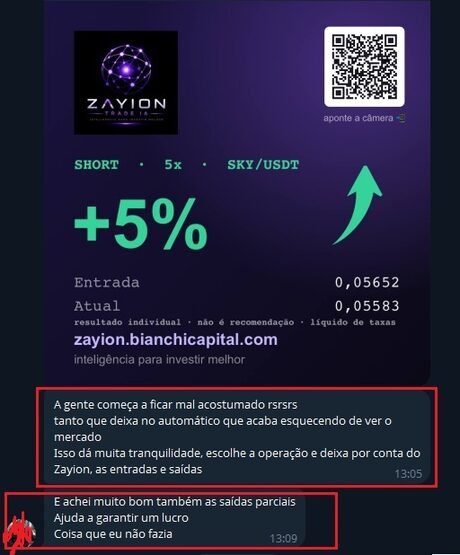
Sinal Zayion: SHORT SKY/USDT +5%
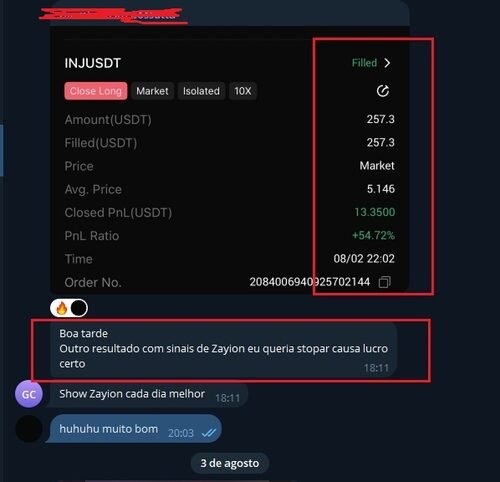
Operação fechada com +54,72% de PnL
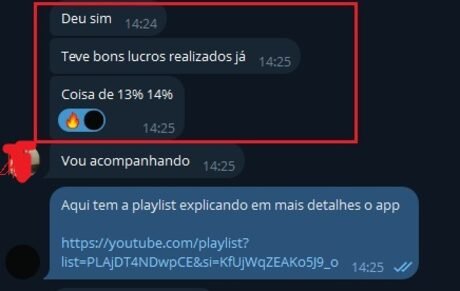
Relato de usuário: “teve bons lucros realizados já”
Prints reais enviados por usuários. Resultados individuais e não representam garantia de rentabilidade. Conteúdo educacional, não é recomendação de investimento.
Quem escreve no CoinsFrontier
Alexandre Bianchi
Fundador da Bianchi Capital e do Zayion AI. ~10 anos no mercado de ativos digitais, autor de referência e presença na mídia.

Receba as melhores análises de cripto no seu e-mail
Automação, bots e sinais sem caixa-preta — direto no seu e-mail. Grátis.
Sem spam. Cancele quando quiser.
✅ Pronto! Confira seu e-mail (e a caixa de promoções) para confirmar.