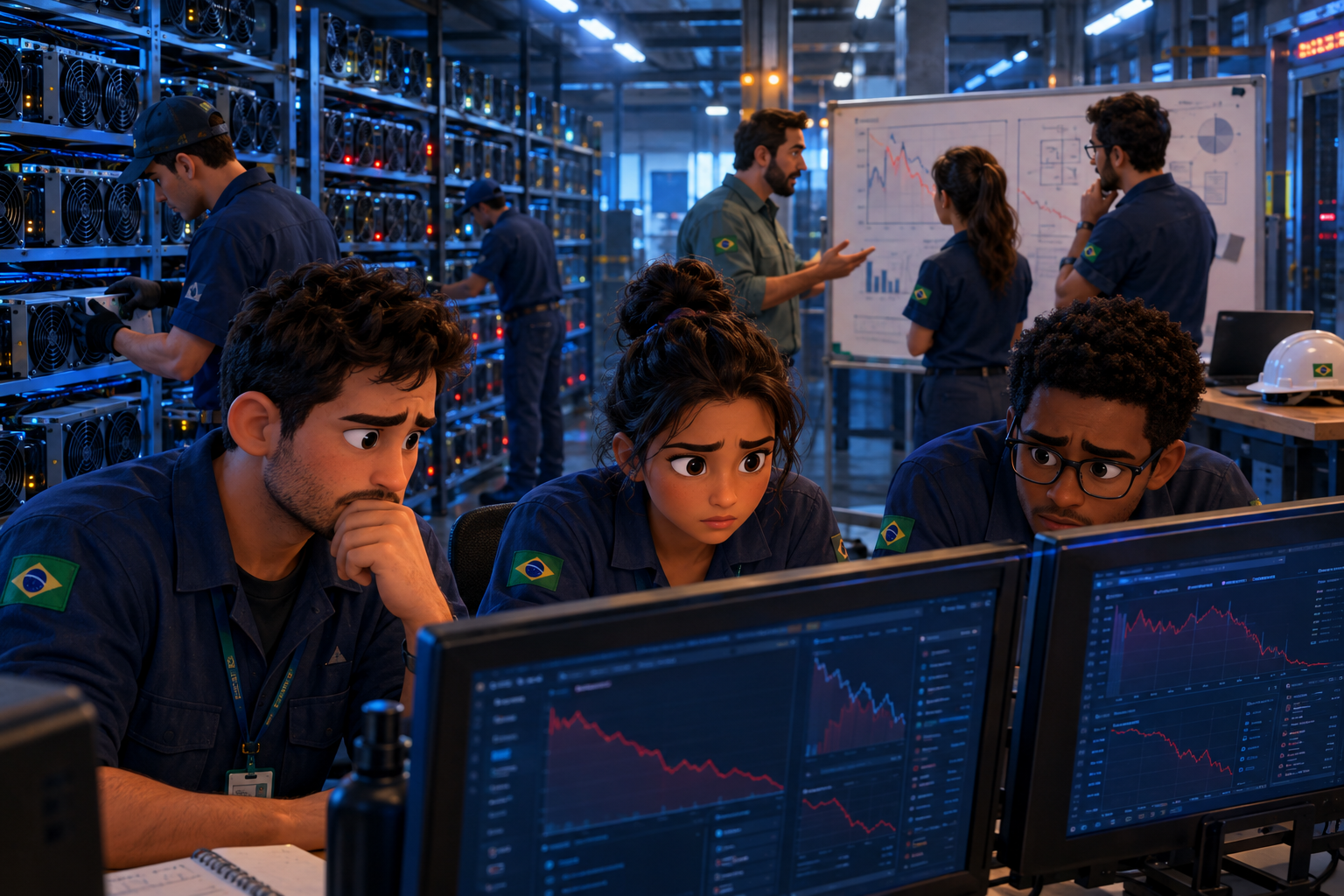
Bitcoin hashrate sees biggest annual drop since China crackdown
The Bitcoin hashrate recorded its first significant annual decline since 2021, dropping 8% compared to the previous year, according to Glassnode data released on November 24, 2026. The scenario is challenging for miners, who also saw revenue hit a minimum and network difficulty rise by about 9.5%.
What is hashrate and why does its drop worry the Bitcoin market?
Hashrate represents the total amount of computing power dedicated to Bitcoin mining. According to Glassnode, the 8% drop over the past year is the largest since the impact of China’s mining ban in 2021, signaling that miners are shutting down machines due to declining profitability.
Hashrate is considered one of the main indicators of the security and health of the Bitcoin network. When this metric falls, there is a higher risk of mining power concentration and potential attacks on the network. Historically, sharp hashrate drops are usually associated with regulatory changes, high energy costs, or periods of low profitability.
The last comparable annual drop occurred after China banned Bitcoin mining in 2021, leading to a global reorganization of the activity. Since then, the sector had been seeing continuous growth, until the recent reversal.
Why is Bitcoin miner revenue at a historic low?
The amount paid to miners hit a record low in 2026, according to Glassnode, due to a combination of high mining difficulty (estimated at +9.5%) and reduced block rewards after the halving, as well as relatively stable Bitcoin prices.
Miners, such as giants MARA and Riot, have started selling part of their BTC reserves to pay off debts and fund infrastructure investments, showing that financial pressure is significant. The increased difficulty forces participants to invest in more efficient equipment to stay competitive, raising operating costs.
With lower block rewards and high energy costs in many regions, less capitalized miners have opted to shut down machines, contributing to the global hashrate decline.
| Indicator | Current Value | Annual Change | Source |
|---|---|---|---|
| Hashrate | – | -8% | Glassnode |
| Mining Difficulty | +9.5% | Highest of the year | Glassnode |
| Miner Revenue | Historic low | – | Glassnode |
What changes for Bitcoin investors?
The drop in hashrate can make the network temporarily less secure and impact investor confidence, especially if the trend persists. Still, mining difficulty tends to adjust automatically, balancing the system over time, as Glassnode explained.
For investors, the main point of attention is that changes in the mining ecosystem can influence supply dynamics, transaction costs, and even BTC price volatility. If financial pressure on miners continues, more reserve sales may occur, increasing market liquidity but also putting short-term pressure on the price.
Despite the challenging scenario, the automatic difficulty adjustment acts as a buffer to keep the network running, protecting Bitcoin from prolonged hashrate drops.
How is the mining sector reacting to the new scenario?
Leading companies like MARA and Riot are selling part of their Bitcoin holdings to pay debts and fund infrastructure improvements, according to Glassnode. The strategy aims to ensure survival amid shrinking profit margins and the need to modernize equipment.
The shutdown of machines, especially less efficient ones, is expected to continue if Bitcoin prices don’t rise or operating costs don’t fall. On the other hand, miners with access to cheap energy or cutting-edge technology may gain ground, further consolidating the sector.
Want to trade crypto with AI support? Check out Zayion AI, Bianchi Capital’s trading assistant.
With information from Bitnoticias.
Resultados e relatos reais de quem usa o Zayion
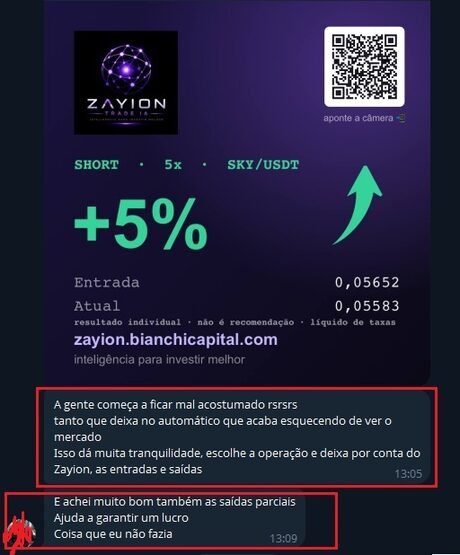
Sinal Zayion: SHORT SKY/USDT +5%
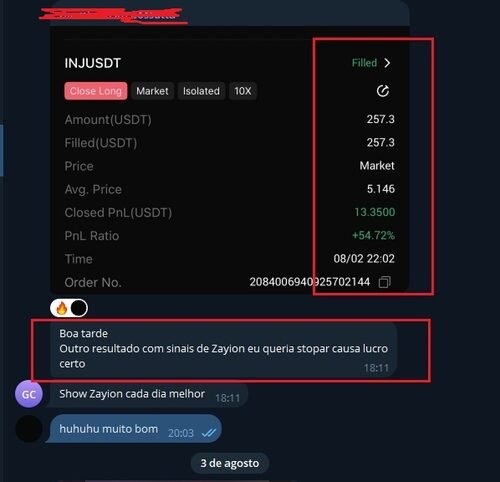
Operação fechada com +54,72% de PnL

Relato de usuário: “teve bons lucros realizados já”
Prints reais enviados por usuários. Resultados individuais e não representam garantia de rentabilidade. Conteúdo educacional, não é recomendação de investimento.
Quem escreve no CoinsFrontier
Alexandre Bianchi
Fundador da Bianchi Capital e do Zayion AI. ~10 anos no mercado de ativos digitais, autor de referência e presença na mídia.

Receba as melhores análises de cripto no seu e-mail
Automação, bots e sinais sem caixa-preta — direto no seu e-mail. Grátis.
Sem spam. Cancele quando quiser.
✅ Pronto! Confira seu e-mail (e a caixa de promoções) para confirmar.