
US Department of Justice launches largest crackdown on crypto fraud
The United States Department of Justice revealed this Tuesday (25) its largest crackdown ever recorded against cryptocurrency fraud, seizing $1.1 billion in digital assets and charging 800 people linked to various scams, including hacking schemes and money laundering. The measure follows a presidential directive to intensify the fight against financial crimes in the sector.
What changed with the US Department of Justice operation?
According to the Department of Justice, the action resulted in the seizure of $1.1 billion in USDC, mainly from funds linked to North Korean hacker attacks on Binance, and the indictment of 800 suspects connected to different types of cryptocurrency fraud. The announcement was made on November 25, 2026.
The Department of Justice described the crackdown as the most comprehensive in its history in the crypto field, targeting everything from pyramid schemes and investment fraud to ransomware operations and international money laundering. The seizure of digital assets, mostly USDC stablecoins, was made possible by international collaboration and the use of advanced digital intelligence.
Authorities emphasized that the crackdown aims to discourage the use of cryptocurrencies for illicit activities, without blocking the development of legitimate innovations. The focus on major hacking operations, such as the attack attributed to North Korean agents against Binance, demonstrates growing concern for the security of the global cryptoasset ecosystem.
Why does the crackdown affect the global crypto market?
Such a large-scale crackdown in the US has a direct impact on investors’ risk perception in cryptoassets, and also pressures exchanges and projects to adopt stricter compliance standards. The recent history of hacker attacks and fraudulent schemes had been fueling criticism of the lack of effective regulation in the sector.
With the billion-dollar seizure and record number of defendants, the US Department of Justice signals that the environment for crypto fraud is likely to become more restricted. This could lead to greater transparency, but also to temporary restrictions on certain operations on global platforms — especially those that do not comply with KYC (know your customer) and AML (anti-money laundering) requirements.
The episode also reignites debates about the need for harmonization of international rules for the cryptoasset sector, a topic that has been discussed in forums such as the G20 and FATF. Investors and companies in the sector should monitor possible side effects, such as increased regulatory costs and changes in the liquidity of certain tokens.
What are the main numbers from the operation?
According to the US Department of Justice, the main data from the operation include the seizure of $1.1 billion in USDC, the involvement of 800 defendants, and the participation of multiple international jurisdictions. The hacker attack on Binance, attributed to North Korea, was one of the central focuses.
| Data | Value | Source |
|---|---|---|
| Seized assets | $1.1 billion (USDC) | US Department of Justice |
| Defendants | 800 people | US Department of Justice |
| Main target | North Korean hackers (Binance) | US Department of Justice |
The magnitude of the case highlights the increased use of cryptocurrencies in large-scale fraud schemes and the increasingly coordinated response from authorities. The Department of Justice stressed the importance of international cooperation to track and block digital assets used in cybercrimes.
What should investors and companies watch for going forward?
Regulation experts warn that the trend is for increased compliance requirements for exchanges and companies in the sector, with greater traceability and data sharing among authorities. Investors should be alert to possible asset freezes and changes in token listing policies.
In addition, operations of this scale often anticipate regulatory moves in other countries, potentially influencing legislation and practices in Brazil and other relevant jurisdictions for the crypto market. The search for security solutions and transaction monitoring is likely to become even more central to companies’ strategies in the sector.
Want to trade crypto with AI support? Meet Zayion AI, the trading assistant from Bianchi Capital.
With information from The Block, Bitcoin Magazine, and Decrypt.
Resultados e relatos reais de quem usa o Zayion
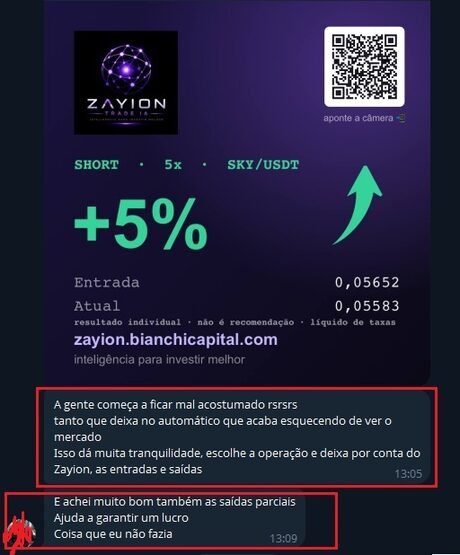
Sinal Zayion: SHORT SKY/USDT +5%
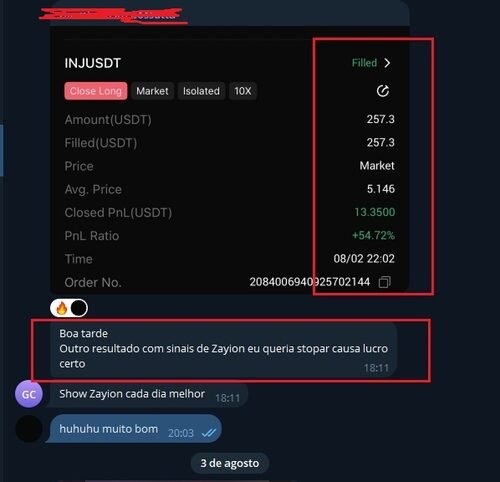
Operação fechada com +54,72% de PnL
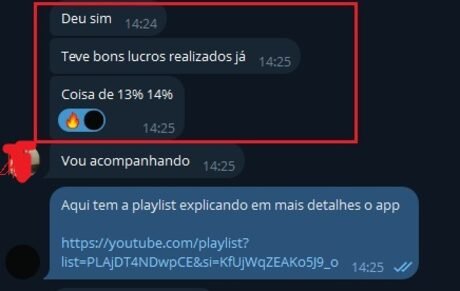
Relato de usuário: “teve bons lucros realizados já”
Prints reais enviados por usuários. Resultados individuais e não representam garantia de rentabilidade. Conteúdo educacional, não é recomendação de investimento.
Quem escreve no CoinsFrontier
Alexandre Bianchi
Fundador da Bianchi Capital e do Zayion AI. ~10 anos no mercado de ativos digitais, autor de referência e presença na mídia.

Receba as melhores análises de cripto no seu e-mail
Automação, bots e sinais sem caixa-preta — direto no seu e-mail. Grátis.
Sem spam. Cancele quando quiser.
✅ Pronto! Confira seu e-mail (e a caixa de promoções) para confirmar.