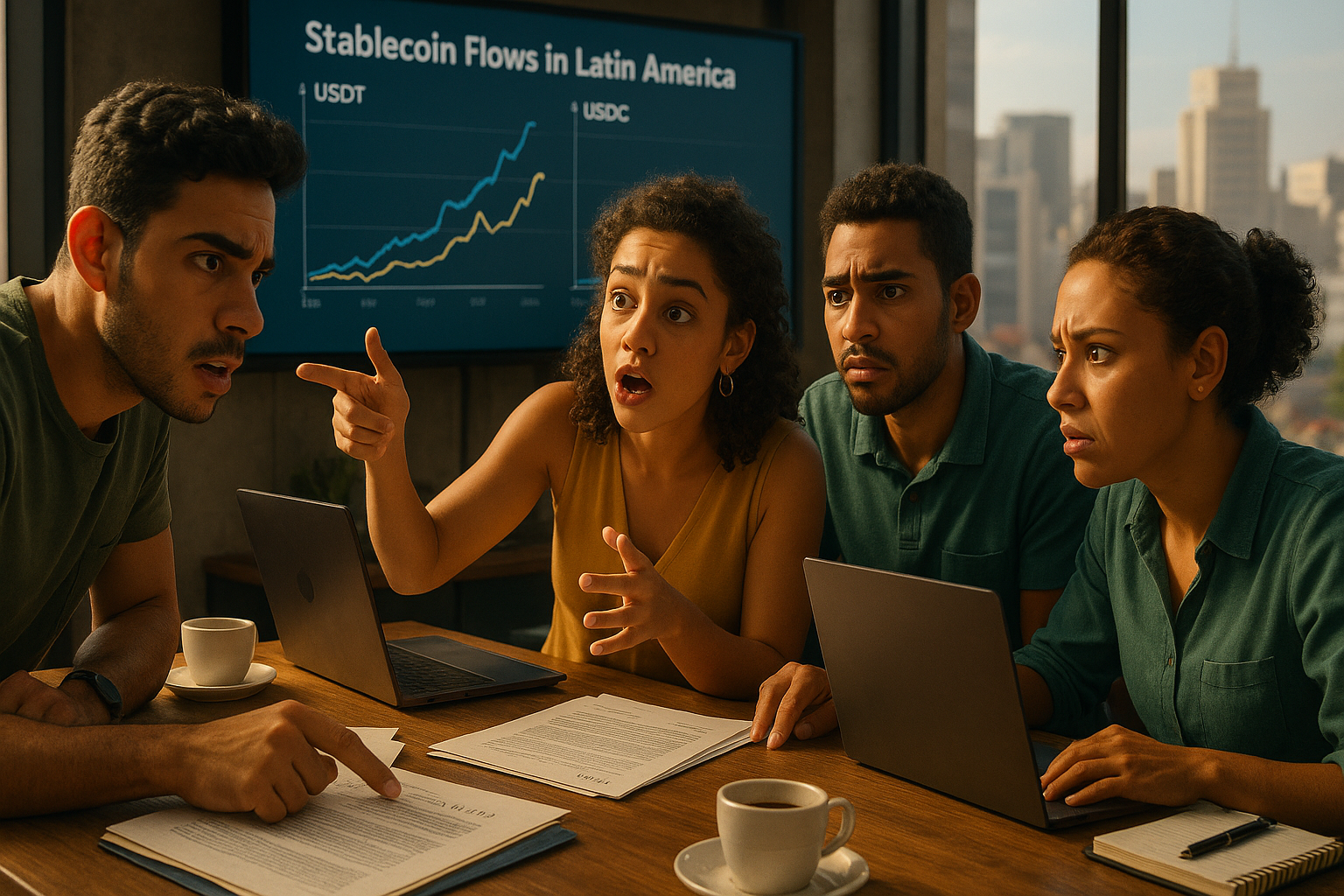
Where Are Latin America’s Dollars Really?
The rapid rise of stablecoins in Latin America has raised alarms both in the United States and among local investors about the real location and safety of the dollars backing these digital tokens. The issue has become central to regulatory discussions, especially after the US Federal Reserve and OCC reinforced the need for clear rules for stablecoin issuers, focusing on auditing and reserve transparency.
Stablecoins: Solution for Volatility or New Risk?
Stablecoins like USDT (Tether) and USDC (Circle) have become popular among Latin Americans seeking protection from inflation and currency devaluation. However, the growth of these assets raises questions: do the dollars that are supposed to back each token really exist and are they accessible? For US regulators, there is concern that poorly audited reserves could hide systemic risks and harm global users.
According to market estimates, Latin America already moves billions of dollars in stablecoins annually, with Brazil, Argentina, and Mexico standing out. In many cases, these digital currencies circulate as an alternative to local currency, facilitating international transfers and access to dollarized assets. But the lack of detailed information about the destination and safety of the reserves fuels uncertainty.
Regulation Under Pressure: The Role of the US in the Global Market
In Washington, the debate around stablecoins revolves around three pillars: who can issue, which assets back the reserves, and how these reserves should be audited. The Federal Reserve and the OCC (Office of the Comptroller of the Currency) argue that only institutions subject to banking supervision should be able to issue fully dollar-backed stablecoins, with mandatory regular audits and full transparency about reserves.
This stance reflects concerns that large volumes of dollars could be moved by poorly supervised issuers, creating risks for the US financial system and, consequently, for international users. For Latin American countries, this means that some of the dollars backing stablecoins may be out of reach of local regulators and even US authorities if the reserves are held in tax havens or by entities without strict oversight.
Impacts for Investors and the Future of Stablecoins in Latin America
For those using stablecoins in Latin America, the main question is whether, in the event of a crisis or collapse of an issuer, the dollars actually exist and can be recovered. Major issuers like Tether have already faced questions about the composition and location of their reserves, resulting in fines and demands for greater transparency.
The current scenario suggests that stronger regulation in the US could lead to greater professionalism in the sector and require stablecoin issuers to clearly demonstrate where and how they hold their reserve assets. This could impact the supply and confidence in tokens used by millions of Latin Americans. Investors should pay attention to regulatory moves and the publication of independent audits by issuers.
What to Watch in the Coming Months
With ongoing discussions in Washington and the growing use of stablecoins in Latin America, new rules are expected to be proposed to ensure the safety and transparency of reserves. Keeping track of these changes is essential for investors, companies, and governments in the region, who increasingly rely on blockchain-based solutions to access the dollar quickly and efficiently.
Want to trade crypto with AI support? Check out Zayion AI, Bianchi Capital’s trading assistant.
With information from BeInCrypto Brazil (September 2026).
Resultados e relatos reais de quem usa o Zayion
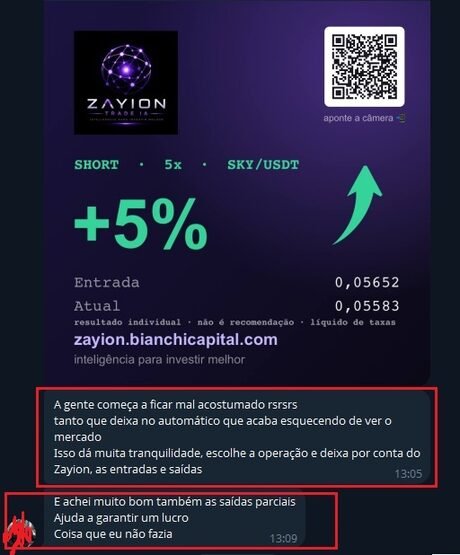
Sinal Zayion: SHORT SKY/USDT +5%
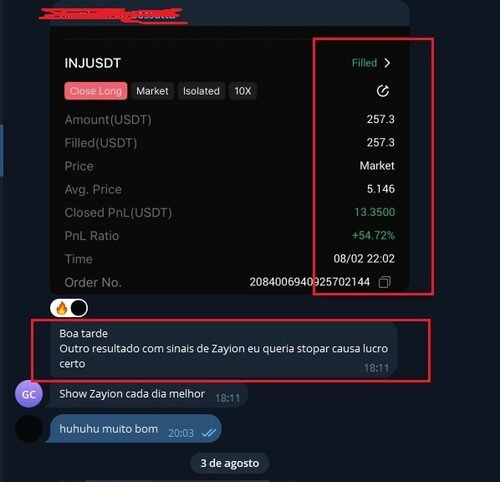
Operação fechada com +54,72% de PnL
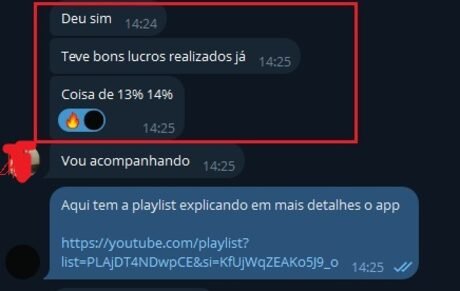
Relato de usuário: “teve bons lucros realizados já”
Prints reais enviados por usuários. Resultados individuais e não representam garantia de rentabilidade. Conteúdo educacional, não é recomendação de investimento.
Quem escreve no CoinsFrontier
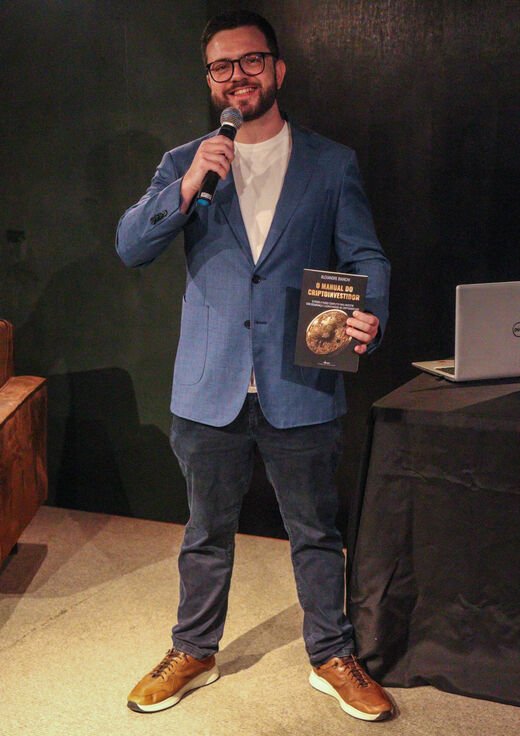
Alexandre Bianchi
Fundador da Bianchi Capital e do Zayion AI. ~10 anos no mercado de ativos digitais, autor de referência e presença na mídia.
Receba as melhores análises de cripto no seu e-mail
Automação, bots e sinais sem caixa-preta — direto no seu e-mail. Grátis.
Sem spam. Cancele quando quiser.
✅ Pronto! Confira seu e-mail (e a caixa de promoções) para confirmar.