
Why Did Thousands of Identical $5,500 Trades Put Kalshi Under Scrutiny?
Thousands of orders for exactly $5,500 moved the ether (ETH) perpetual market on Kalshi, a US-based derivatives platform, between August and September, raising suspicions of wash trading and manipulation. The episode brought to light concerns about trading practices and regulation in innovative crypto trading environments.
Understanding the case: unusual patterns and wash trading suspicions
The alarm was raised after market watchers identified thousands of identical trades of $5,500 happening almost simultaneously on Kalshi. The unusual volume and standardized amounts drew attention for resembling wash trading techniques—when the same party buys and sells assets to create artificial volume and influence prices or bonuses.
Wash trading is banned in traditional regulated markets because it distorts the perception of liquidity and misleads other participants. In crypto and DeFi environments, the issue is recurring due to lighter oversight and the ease of automating trades. In Kalshi’s case, the almost mechanical repetition of $5,500 orders raised questions about the integrity of the order book and the platform’s real liquidity.
Kalshi’s response and the transparency debate
In response to criticism, Kalshi stated that critics confused two distinct products available on the platform: the ether perpetual market and another similar contract. According to the company, the standardized trades were the result of legitimate automated strategies, not intentional manipulation.
Kalshi, which is already registered with the CFTC (Commodity Futures Trading Commission) in the US, emphasized its commitment to regulatory compliance and transparency. Even so, the explanation did not fully dispel doubts within the crypto community, especially given the sector’s history, where exchanges and DeFi protocols have been caught inflating volumes to attract clients or manipulate rankings.
Impacts for investors and the crypto market
For investors, the case serves as a warning about the risks of artificial liquidity and non-transparent practices, even on platforms that present themselves as innovative and regulated. The discussion reignites the need for independent audit tools and greater scrutiny of trading algorithms and public order books.
Additionally, the episode highlights the importance of distinguishing between legitimate automation strategies—common in modern markets—and deliberate manipulation. The wash trading debate is central to the evolution of crypto markets, as it impacts trust, price formation, and the entry of institutional investors.
What to watch next
The Kalshi case may encourage regulators, such as the CFTC and SEC, to step up monitoring of crypto platforms, especially those offering derivatives and innovative products. Attentive investors should keep an eye on possible compliance rule updates, investigations, and any changes in trading patterns at Kalshi and its competitors.
Want to trade crypto with AI support? Check out Zayion AI, Bianchi Capital’s trading assistant.
With information from BeInCrypto Brazil. September 2026.
Resultados e relatos reais de quem usa o Zayion
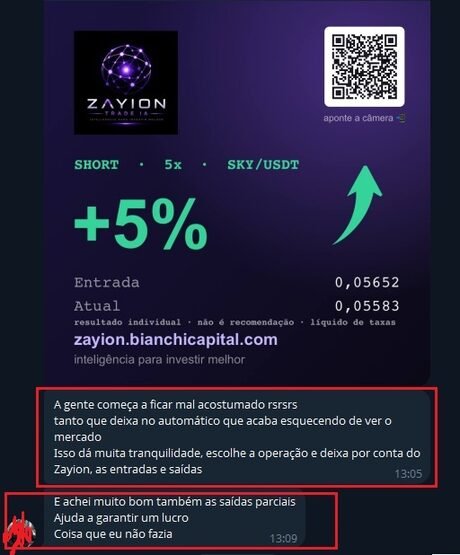
Sinal Zayion: SHORT SKY/USDT +5%
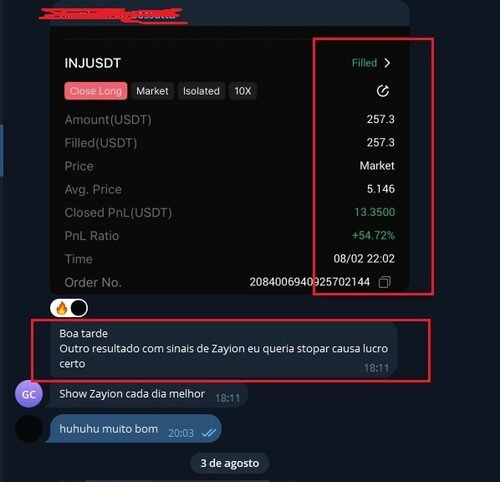
Operação fechada com +54,72% de PnL

Relato de usuário: “teve bons lucros realizados já”
Prints reais enviados por usuários. Resultados individuais e não representam garantia de rentabilidade. Conteúdo educacional, não é recomendação de investimento.
Quem escreve no CoinsFrontier
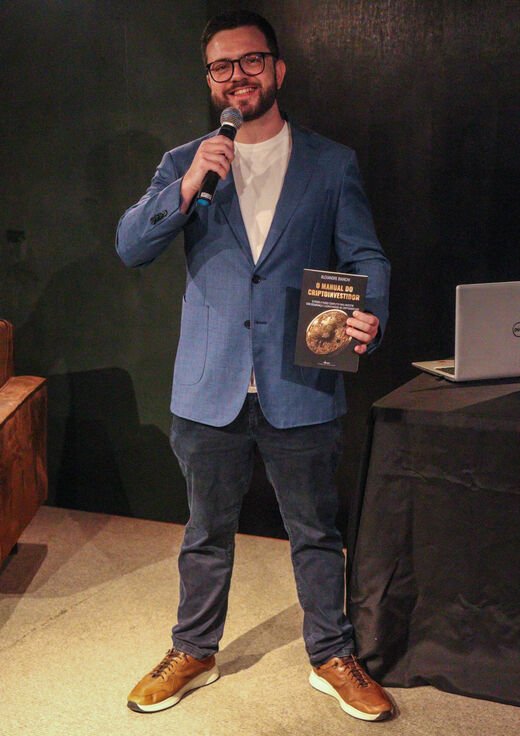
Alexandre Bianchi
Fundador da Bianchi Capital e do Zayion AI. ~10 anos no mercado de ativos digitais, autor de referência e presença na mídia.
Receba as melhores análises de cripto no seu e-mail
Automação, bots e sinais sem caixa-preta — direto no seu e-mail. Grátis.
Sem spam. Cancele quando quiser.
✅ Pronto! Confira seu e-mail (e a caixa de promoções) para confirmar.