
Central Bank denies crypto license to a company for the first time
For the first time since the start of the regulatory process for the sector, the Central Bank of Brazil has denied an authorization request for a company to operate as a Virtual Asset Service Provider (VASP). The decision, published in the Federal Official Gazette on September 28, 2026, involves Higherway Tech Soluções, which operates under the name Higher Global, and brings new perspectives to the regulation of the Brazilian crypto market.
First denial: what changes for the crypto sector
The denial of Higher Global‘s request is a milestone in the Central Bank’s role as regulator of crypto asset companies. Since the Central Bank took on the responsibility of authorizing and supervising VASPs, this is the first time a request has been formally rejected. The review process follows the criteria established by Law 14.478/2022, which requires strict compliance, governance, and anti-money laundering standards.
Until now, the market had only seen authorizations or ongoing processes. The denial indicates that the Central Bank is willing to exercise stricter control over who can operate in the segment, increasing the pressure for transparency and regulatory compliance.
Impact for operators and investors
For companies, the decision signals that licenses will not be granted automatically, even for established players. Anyone wishing to operate as a VASP must demonstrate full adherence to the rules, or risk having their request shelved. For investors, this episode reinforces the importance of choosing platforms authorized and supervised by the Central Bank, reducing operational and security risks.
The Higher Global case may serve as a warning for other startups and fintechs looking to enter the sector. The Central Bank has not yet detailed the specific reasons for the refusal, but expectations are that failures in internal controls, documentation, or operational history are among the factors considered.
Legal framework context and next steps
The regulatory framework for cryptocurrencies in Brazil came into effect in 2023, establishing that all companies intending to operate as virtual asset service providers must be authorized by the Central Bank. The institution is reviewing dozens of requests but has not yet released a timeline for completing all processes.
With the first formal denial, the Central Bank reinforces its role as gatekeeper of the crypto sector. Experts point out that the decision may increase the confidence of institutional investors and the general public by showing that there is active oversight. On the other hand, it may raise entry barriers for new competitors and impact the pace of innovation in the national ecosystem.
What to watch next
The market is awaiting the publication of new authorizations or denials in the coming months, which should define the profile of companies that will be able to operate legally in Brazil. Attention is focused on points such as compliance standards, cybersecurity, and consumer protection mechanisms. The Central Bank’s stance may also influence discussions on self-regulation and the role of international exchanges in the country.
Want to trade crypto with artificial intelligence support? Check out Zayion AI, the trading assistant from Bianchi Capital.
With information from BeInCrypto Brazil, September 2026.
Resultados e relatos reais de quem usa o Zayion
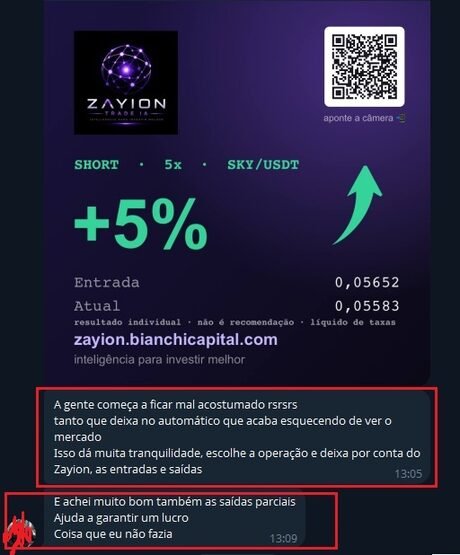
Sinal Zayion: SHORT SKY/USDT +5%
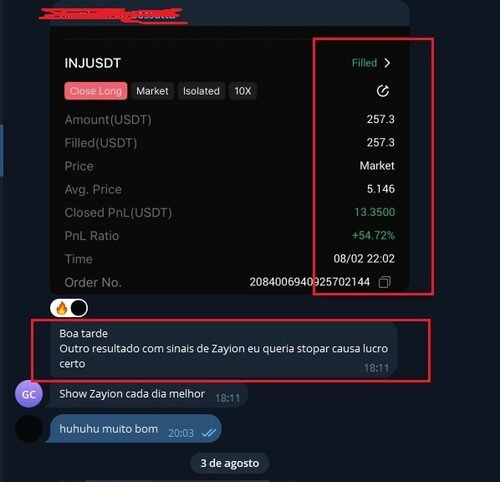
Operação fechada com +54,72% de PnL
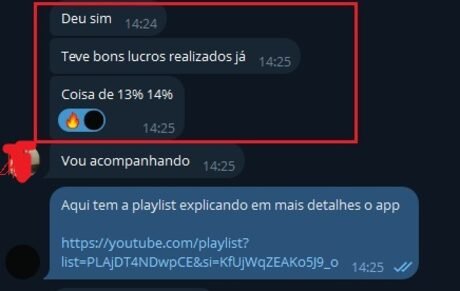
Relato de usuário: “teve bons lucros realizados já”
Prints reais enviados por usuários. Resultados individuais e não representam garantia de rentabilidade. Conteúdo educacional, não é recomendação de investimento.
Quem escreve no CoinsFrontier
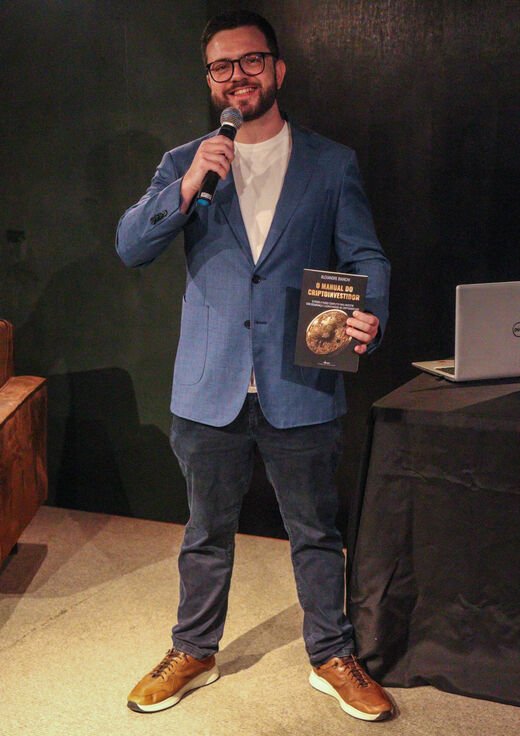
Alexandre Bianchi
Fundador da Bianchi Capital e do Zayion AI. ~10 anos no mercado de ativos digitais, autor de referência e presença na mídia.
Receba as melhores análises de cripto no seu e-mail
Automação, bots e sinais sem caixa-preta — direto no seu e-mail. Grátis.
Sem spam. Cancele quando quiser.
✅ Pronto! Confira seu e-mail (e a caixa de promoções) para confirmar.