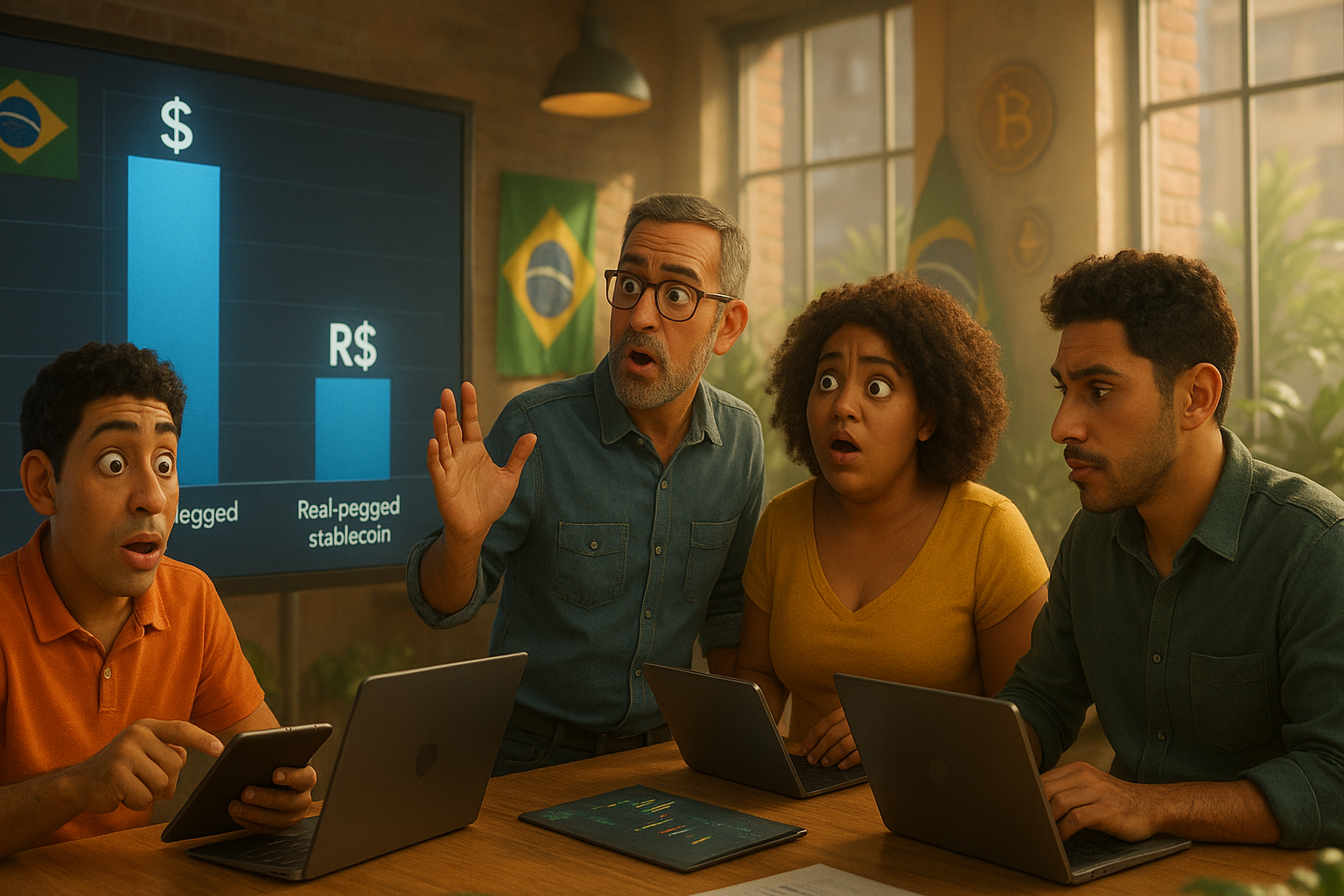
Dollar-backed stablecoin market is over 2,000 times larger than real-backed
The dollar-backed stablecoin market is over 2,000 times larger than the real-backed one, according to a recent survey by BitGo, a global digital asset custody company. While dollar-pegged stablecoins already move around $300 billion in market value, the top ten versions pegged to the Brazilian real have yet to reach R$1 billion in circulation. The contrast exposes the difference in liquidity and adoption between international and national stablecoins, and raises questions about the role of the real in the crypto ecosystem.
Stablecoins: dollar dominance in the crypto universe
Stablecoins are cryptocurrencies designed to maintain parity with stable assets, such as fiat currencies. Globally, the US dollar is the main reference, with projects like Tether (USDT) and USD Coin (USDC) leading the sector. According to BitGo, the market value of these stablecoins totals approximately $300 billion, reflecting the trust and liquidity the dollar offers to investors and market participants.
This dominance stands in stark contrast to the performance of stablecoins pegged to the Brazilian real. Even with ten different initiatives, the total volume issued of these national digital currencies has yet to reach R$1 billion. This is a modest number on the global scale and highlights the barriers to growth for these solutions in Brazil.
Why are dollar stablecoins so relevant?
The success of dollar-based stablecoins is linked to high demand for liquidity, ease of use in international transfers, and protection against volatility of other cryptocurrencies. Investors in emerging markets like Brazil often turn to digital dollars to access global DeFi platforms, international exchanges, and even for cross-border remittances, taking advantage of the stability of the US dollar.
Meanwhile, real-backed stablecoins face challenges such as low international acceptance, restricted liquidity, and less utility in global protocols. On the other hand, they have the potential to facilitate payments, domestic remittances, and integration with the local financial system, if they gain scale and user trust.
Impacts for investors and the future of national stablecoins
The disparity between the dollar and real stablecoin markets can influence decisions by Brazilian investors. For those seeking liquidity and international access, dollar tokens remain the dominant choice. However, the growth of national stablecoins depends on factors such as regulation, partnerships with banks and companies, and Central Bank initiatives, which could foster greater adoption and integration with the traditional market.
In recent months, the Central Bank of Brazil has intensified discussions about Drex, the official digital real, which could boost interest in real-pegged stablecoins and expand their use in digital payments and smart contracts. Still, the challenge is significant to reach volumes close to those of dollar stablecoins.
What to watch for in the coming months
The advancement of regulation, the entry of new players, and the development of relevant use cases for national stablecoins are key points for investors. Initiatives that promote interoperability and trust could be decisive in increasing the volume of real-backed stablecoins and reducing dependence on the dollar in the Brazilian crypto ecosystem.
Want to trade crypto with AI support? Check out Zayion AI, Bianchi Capital’s trading assistant.
With information from BeInCrypto Brazil, September 2026.
Resultados e relatos reais de quem usa o Zayion
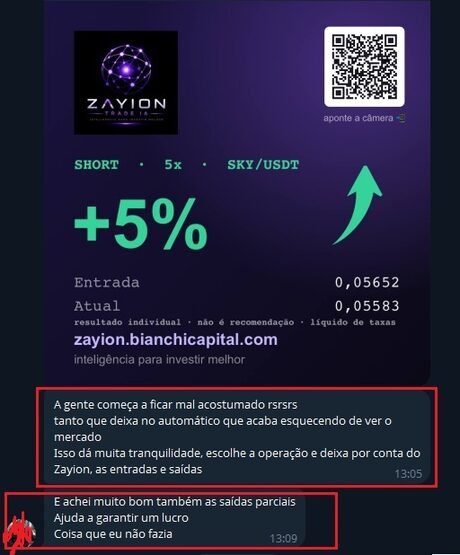
Sinal Zayion: SHORT SKY/USDT +5%
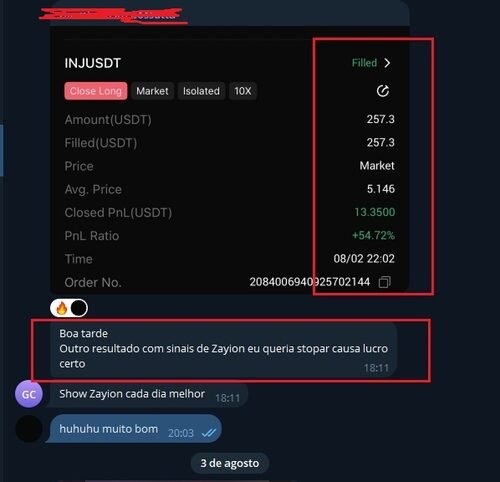
Operação fechada com +54,72% de PnL

Relato de usuário: “teve bons lucros realizados já”
Prints reais enviados por usuários. Resultados individuais e não representam garantia de rentabilidade. Conteúdo educacional, não é recomendação de investimento.
Quem escreve no CoinsFrontier
Alexandre Bianchi
Fundador da Bianchi Capital e do Zayion AI. ~10 anos no mercado de ativos digitais, autor de referência e presença na mídia.

Receba as melhores análises de cripto no seu e-mail
Automação, bots e sinais sem caixa-preta — direto no seu e-mail. Grátis.
Sem spam. Cancele quando quiser.
✅ Pronto! Confira seu e-mail (e a caixa de promoções) para confirmar.