
Bitcoin fluctuates near $64,000 after Fed signals rate hike
The price of Bitcoin fluctuated near $64,000 this Wednesday, November 18, 2026, after Christopher Waller, a member of the US Federal Reserve Board, suggested that the central bank could raise rates by 0.5 percentage points at the next December meeting. The comment brought volatility to the crypto market, amid investor caution in the face of the global macroeconomic scenario.
What caused Bitcoin’s drop this week?
The main reason for Bitcoin’s recent drop was the signal of a possible rate hike by the Fed, as stated by Christopher Waller on Wednesday morning, according to Bitcoin Magazine. The effect was felt immediately in the markets, putting pressure on risk assets like cryptocurrencies.
The fear of higher rates in the US tends to reduce appetite for alternative assets, as more traditional investments start to offer more attractive returns. In addition, the market was already showing sensitivity to corporate earnings, such as Nvidia’s, and to the performance of companies exposed to Bitcoin, like MicroStrategy (MSTR), which also posted a significant drop.
How does the Fed’s move affect the crypto market?
Decisions by the Federal Reserve, especially regarding interest rates, directly impact the cryptocurrency market, as they change global capital flows, according to analysis by Bitcoin Magazine. The prospect of a 0.5 percentage point hike in December increased caution among investors, reflected in Bitcoin’s price.
Higher rates make credit more expensive and tend to strengthen the dollar, reducing the appeal of more volatile assets like Bitcoin. Historically, sharp moves in US monetary policy have caused swings in the crypto sector, as seen in recent years during tightening and easing cycles.
What changes for those investing in Bitcoin?
For Bitcoin investors, the high interest rate scenario requires greater attention to volatility and short-term risk, according to experts cited by Bitcoin Magazine. The Fed’s possible decision may keep pressure on BTC’s price until the end of the year.
This environment may lead to profit-taking or even a search for safer assets, depending on central banks’ stances and the performance of the global economy. However, some analysts point out that, in the long term, Bitcoin has proven resilient in the face of adverse macroeconomic cycles.
| Asset | Price on 11/18/2026 | Weekly change | Source |
|---|---|---|---|
| Bitcoin (BTC) | $64,000 | -3.2% | Bitcoin Magazine |
| MicroStrategy (MSTR) | $99.80 | -5.1% | Bitcoin Magazine |
| Gold | $1,930 | -1.0% | Coindesk |
Why is Bitcoin still more volatile than gold?
Even though both fell ahead of the Fed meeting, Bitcoin showed a sharper weekly change than gold, according to data from Bitcoin Magazine and Coindesk. This reflects BTC’s greater sensitivity to rapid changes in the economic outlook and monetary policy expectations.
Unlike gold, which is seen as a traditional store of value, Bitcoin is still considered an emerging asset, subject to speculation and sharp capital movements. In times of uncertainty, the market tends to seek less volatile assets, which increases BTC’s swings in response to decisions like those from the Federal Reserve.
Want to trade crypto with AI support? Meet Zayion AI, Bianchi Capital’s trading assistant.
With information from Bitcoin Magazine.
Resultados e relatos reais de quem usa o Zayion
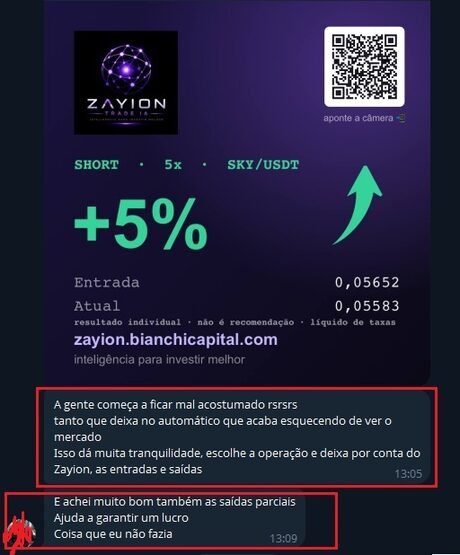
Sinal Zayion: SHORT SKY/USDT +5%
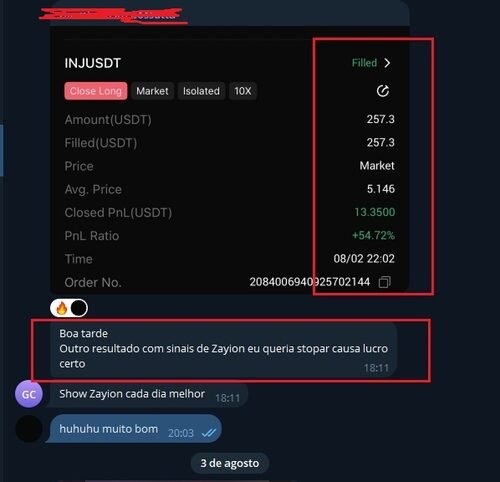
Operação fechada com +54,72% de PnL

Relato de usuário: “teve bons lucros realizados já”
Prints reais enviados por usuários. Resultados individuais e não representam garantia de rentabilidade. Conteúdo educacional, não é recomendação de investimento.
Quem escreve no CoinsFrontier
Alexandre Bianchi
Fundador da Bianchi Capital e do Zayion AI. ~10 anos no mercado de ativos digitais, autor de referência e presença na mídia.

Receba as melhores análises de cripto no seu e-mail
Automação, bots e sinais sem caixa-preta — direto no seu e-mail. Grátis.
Sem spam. Cancele quando quiser.
✅ Pronto! Confira seu e-mail (e a caixa de promoções) para confirmar.