
Debate over Crypto Custody Grows After New Binance Mega Leak
A recent attack on Binance, which resulted in the transfer of billions of dollars within minutes, highlighted the vulnerability of leaving large volumes of cryptocurrencies in the custody of exchanges themselves. The incident, highlighted by Darren Jordan of Komainu, brings back the debate about the need to separate trading and custody functions, as has been done for decades in traditional markets, and raises crucial questions for investors and institutions.
What happened in the Binance leak?
In November 2026, a single cyberattack managed to move billions in assets from Binance in a matter of minutes, according to CoinDesk data. The incident drew attention to the large concentration of client funds held directly by the exchange, raising concerns about systemic risks.
Beyond the immediate financial impact, the Binance case exposed a recurring problem in the sector: many exchanges combine trading and custody functions, leaving users’ funds more vulnerable to attacks and internal failures. The episode also prompted investigations into the whereabouts of the funds and increased global regulatory scrutiny.
Why is separating custody and trading important for investors?
Darren Jordan, director at Komainu, argues that separating custody and trading protects investors and reduces risks, a practice already established in traditional exchanges. This allows assets to be held by specialized institutions, making unauthorized access more difficult and increasing transparency.
In the traditional financial sector, brokers rarely store client assets, a function performed by independent custodians. In the crypto world, however, most exchanges act as both “bank and exchange” at the same time, increasing the risk in case of hacks or mismanagement. After the Binance incident, the US Federal Reserve reinforced warnings about the dangers of centralized systems without clear segregation of functions.
What changes for those investing in cryptocurrencies?
After the leak, institutional and retail investors began to question where their assets are actually stored, according to CoinDesk. The trend is for clients to seek third-party custody solutions, demanding more transparency from exchanges and pushing for stronger security standards.
This movement may accelerate the adoption of specialized custody services, such as those offered by traditional companies and sector startups. The episode also serves as a warning for Brazilian investors, since similar cases have occurred at Mercado Bitcoin, according to a BitNotícias investigation. Experts recommend always checking the exchange’s custody policy and considering alternatives for storing assets for the medium and long term.
What questions should you ask about crypto custody?
According to Darren Jordan, before depositing funds on any exchange, it is essential to ask where and how the assets are held, who audits security, and whether there is insurance against attacks. Investors should also know if the platform uses independent custodians and how fund segregation is handled.
| Platform | Volume Moved (USD) | Destination of Funds |
|---|---|---|
| Binance (2026) | Billions | External wallets (unknown) |
| Mercado Bitcoin (2026) | Not disclosed | Wallets tracked by investigators |
| XRP (whales) | 270 million | Private wallets, not exchanges |
Sources such as Decrypt and BitNotícias point out that even after large movements, stolen funds do not always return to exchanges, making tracking and recovery difficult. Transparency and choosing a reliable custodian are increasingly important factors for the security of digital assets.
Want to trade crypto with AI support? Check out Zayion AI, the trading assistant from Bianchi Capital.
With information from CoinDesk.
Resultados e relatos reais de quem usa o Zayion
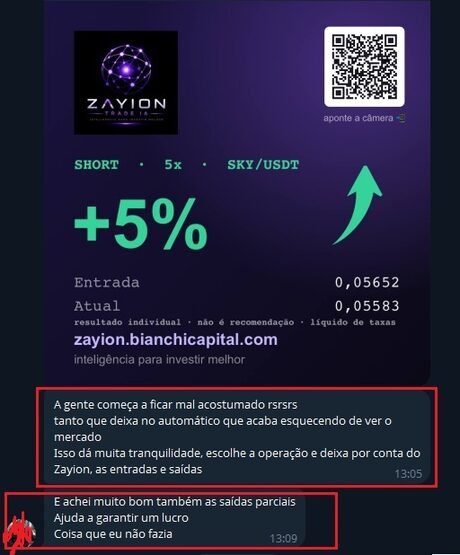
Sinal Zayion: SHORT SKY/USDT +5%
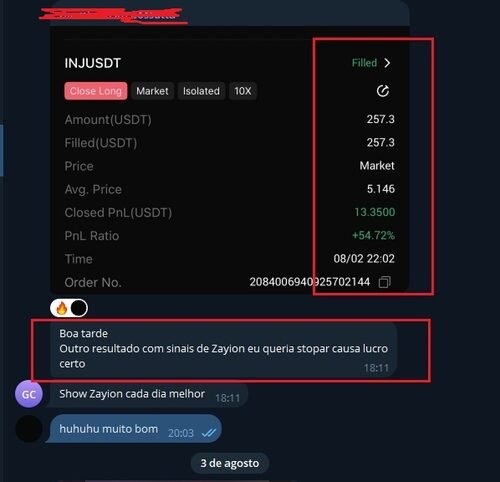
Operação fechada com +54,72% de PnL

Relato de usuário: “teve bons lucros realizados já”
Prints reais enviados por usuários. Resultados individuais e não representam garantia de rentabilidade. Conteúdo educacional, não é recomendação de investimento.
Quem escreve no CoinsFrontier
Alexandre Bianchi
Fundador da Bianchi Capital e do Zayion AI. ~10 anos no mercado de ativos digitais, autor de referência e presença na mídia.

Receba as melhores análises de cripto no seu e-mail
Automação, bots e sinais sem caixa-preta — direto no seu e-mail. Grátis.
Sem spam. Cancele quando quiser.
✅ Pronto! Confira seu e-mail (e a caixa de promoções) para confirmar.