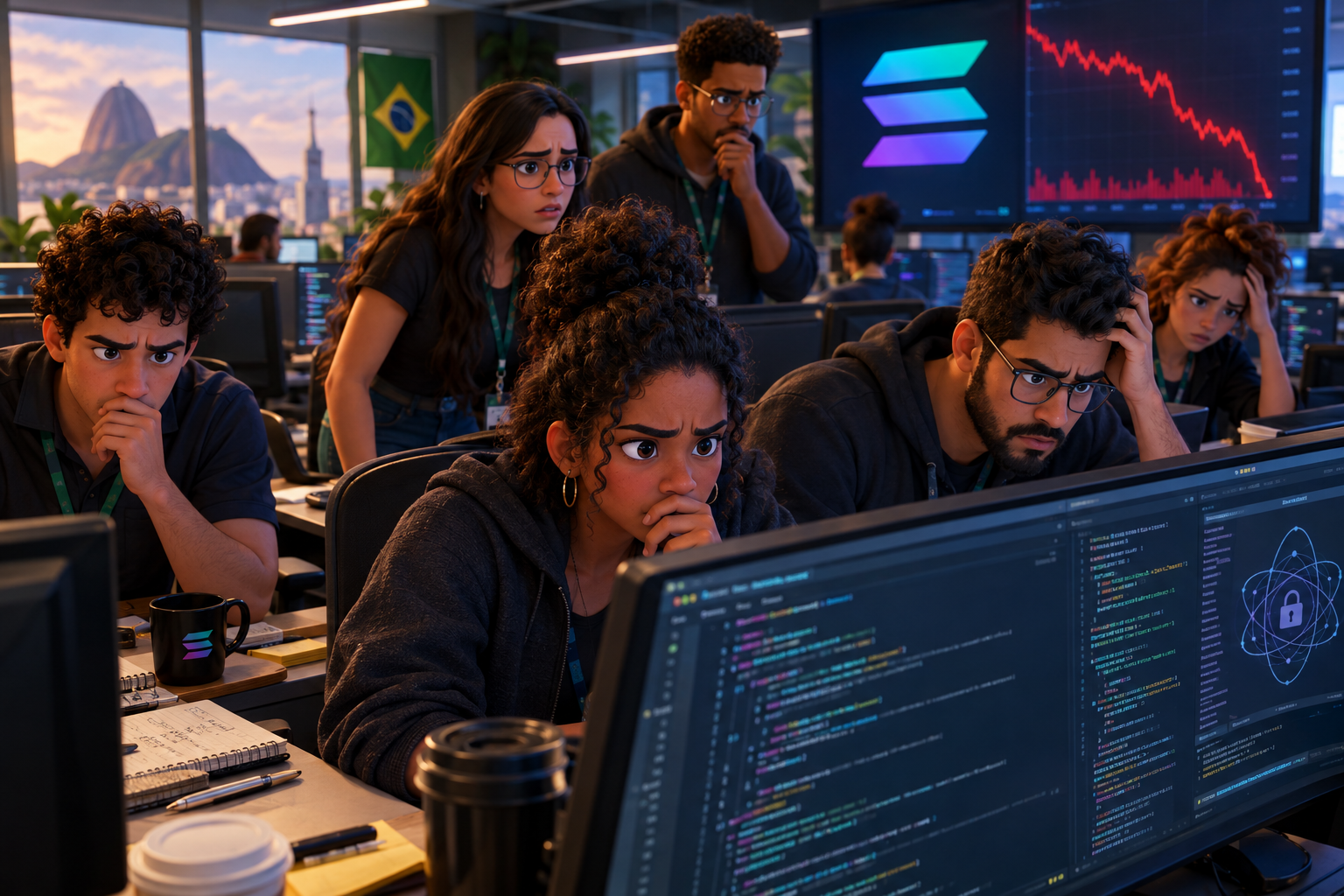
Solana stalls with quantum-resistant signatures and IOSCO warns of blockchain risks
IOSCO, the international organization of securities regulators, warned on Tuesday (19) that adopting quantum-resistant digital signatures could drastically impact blockchain performance, citing a test on the Solana network that became up to 90% slower. The warning highlights security risks for wallets that continue using old keys as quantum technology advances.
What changes for crypto investors with the arrival of quantum computing?
According to a report released by IOSCO, blockchains may experience significant slowdowns and expose users to risks if they do not quickly adopt quantum-resistant digital signatures. The test on the Solana network showed a 90% drop in speed, indicating challenges for investors and developers.
Quantum computing is seen as a future threat to cryptocurrency security, as it could break current cryptographic methods used by blockchains like Bitcoin, Ethereum, and Solana. The transition to quantum-resistant systems is considered urgent, but may bring performance and interoperability costs, affecting both user experience and investor security.
Why did Solana become 90% slower when testing quantum-resistant signatures?
During tests on Solana’s development network, implementing digital signatures designed to withstand quantum computer attacks reduced the blockchain’s performance by about 90%, as reported by IOSCO. The main reason is the significant increase in the size and complexity of the signatures.
Using quantum-resistant algorithms requires more computing resources and storage, making transactions slower and more expensive. Solana, known for its high speed, has become an example of the practical obstacles other blockchains may face when trying to protect themselves against quantum advances. The challenge is to balance security and efficiency without harming usability.
What risks remain for wallets and blockchains that do not update their keys?
According to IOSCO, wallets that continue using old keys risk becoming vulnerable to attacks, even after quantum-resistant signatures are adopted by part of the network. This is because keys exposed on public blockchains could be targeted by quantum computers in the future.
The report emphasizes that the update must be broad and coordinated to avoid loopholes. Otherwise, users who do not migrate their wallets could have their funds compromised. The challenge is even greater for public blockchains, where data transparency makes retroactive attacks easier. Experts recommend that developers and exchanges prepare migration and user education plans.
How is the crypto market reacting to the quantum computing warning?
After IOSCO’s warning, the topic gained prominence among developers, regulators, and cybersecurity companies. Anchorage Digital executive Diogo Mónica stated that advances in artificial intelligence and quantum computing could turn the next 12 months into a “battlefield” for crypto security. The sector is beginning to discuss upgrade and interoperability standards.
While blockchains like Solana test new solutions, other networks are still evaluating when and how to migrate their systems. The risk is that, without a coordinated response, the market will be fragmented between secure and vulnerable blockchains, affecting investor confidence. The debate now centers on how to balance performance, security, and usability in the face of the quantum threat.
| Network | Performance impact | Source |
|---|---|---|
| Solana (testnet) | -90% speed | IOSCO |
| Bitcoin, Ethereum | Potential risk | IOSCO |
Want to trade crypto with AI support? Meet Zayion AI, Bianchi Capital’s trading assistant.
With information from Cointelegraph.
Resultados e relatos reais de quem usa o Zayion
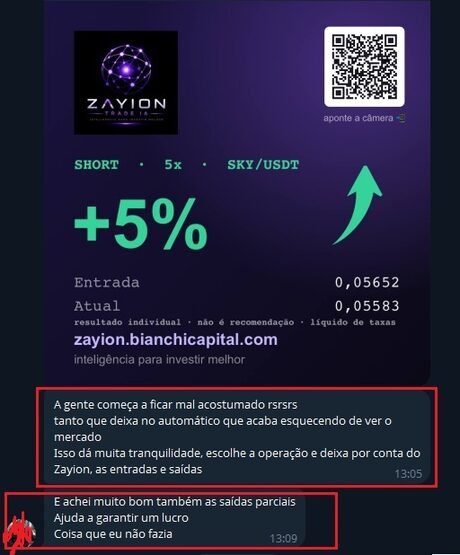
Sinal Zayion: SHORT SKY/USDT +5%
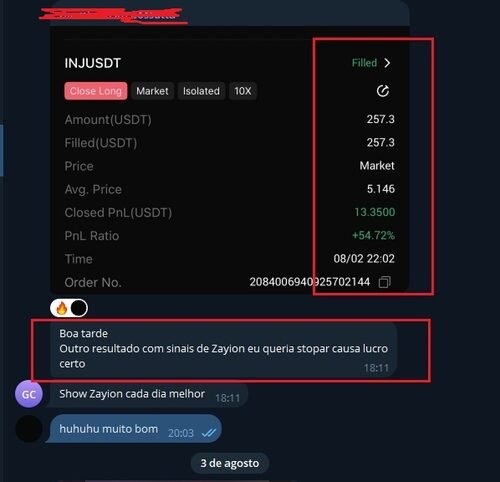
Operação fechada com +54,72% de PnL

Relato de usuário: “teve bons lucros realizados já”
Prints reais enviados por usuários. Resultados individuais e não representam garantia de rentabilidade. Conteúdo educacional, não é recomendação de investimento.
Quem escreve no CoinsFrontier
Alexandre Bianchi
Fundador da Bianchi Capital e do Zayion AI. ~10 anos no mercado de ativos digitais, autor de referência e presença na mídia.

Receba as melhores análises de cripto no seu e-mail
Automação, bots e sinais sem caixa-preta — direto no seu e-mail. Grátis.
Sem spam. Cancele quando quiser.
✅ Pronto! Confira seu e-mail (e a caixa de promoções) para confirmar.