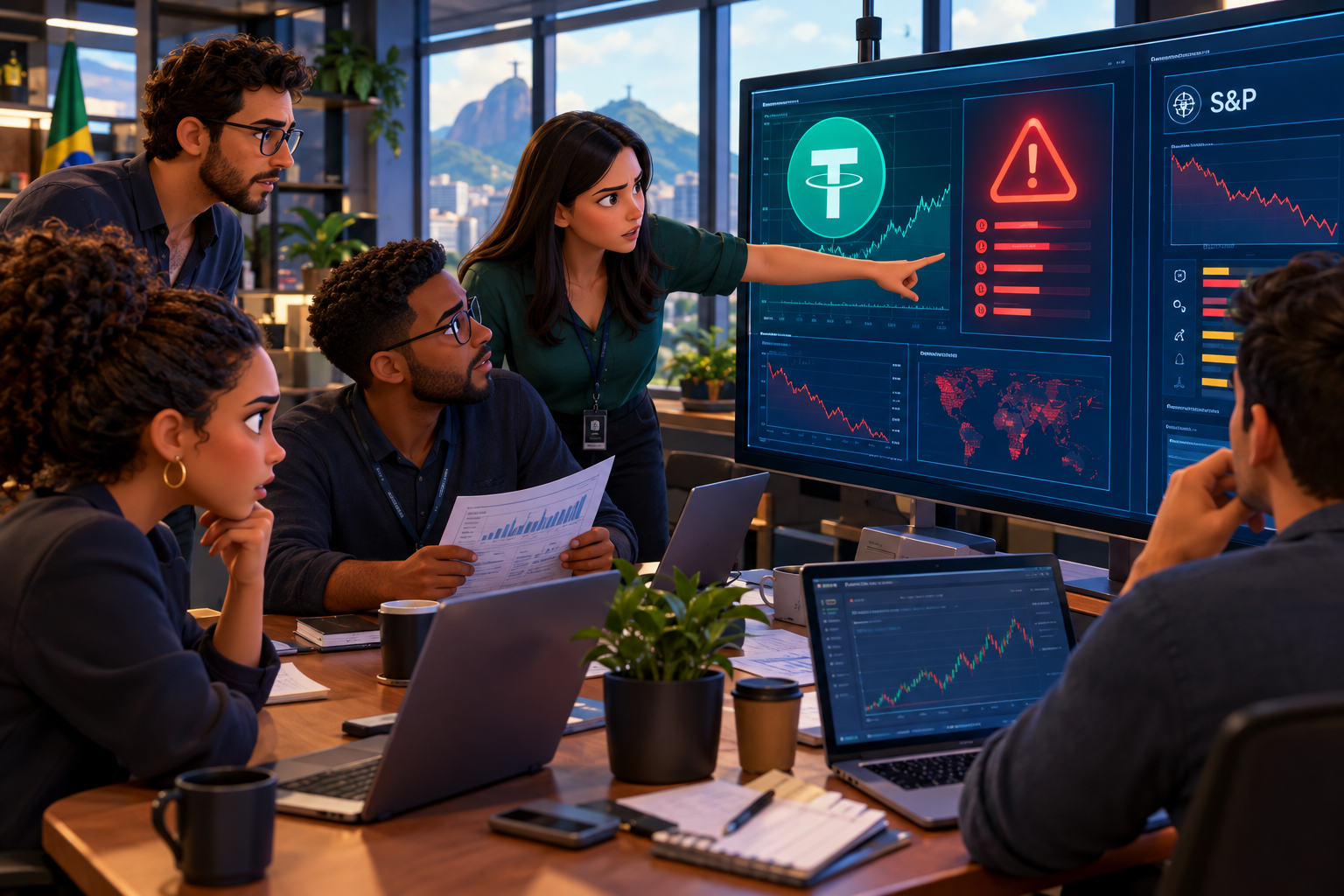
S&P keeps USDT at lowest rating and Tether disputes risk assessment
S&P Global Ratings renewed USDT’s rating, Tether’s stablecoin, once again assigning it a grade of 5, the lowest level on its stability scale, as disclosed on November 19, 2026. The decision reignited debate over the risk of the stablecoin’s reserves, prompting a critical response from Tether itself.
Why did USDT receive S&P’s lowest rating?
According to S&P Global Ratings, USDT was kept at grade 5, considered the riskiest in terms of stability, due to the composition of its reserves and the presence of higher-risk assets, which accounted for up to 28% of the total. This assessment was published by S&P in a recent report.
S&P justifies the rating by citing the increase in assets classified as riskier within Tether’s reserves, which rose from 24% to 28% in one year. These assets include less liquid and more volatile financial instruments, which, in the agency’s view, compromise USDT’s ability to maintain its peg during market stress situations.
| Category | Percentage in Reserves (2025) | Percentage in Reserves (2026) |
|---|---|---|
| Riskier assets | 24% | 28% |
| Other assets | 76% | 72% |
For investors, the lowest rating implies that USDT may carry a higher risk of devaluation if adverse market events occur, a relevant concern for those using stablecoins for liquidity operations or currency hedging.
What does Tether say about USDT’s risk assessment?
Tether disputed S&P’s analysis, stating it maintains a $7.95 billion surplus over its liabilities, which would ensure its ability to honor all withdrawal requests. The company released data to demonstrate financial strength and questioned the criteria used by the agency.
In a public response, Tether emphasized that its surplus reserve represents a significant cushion to absorb fluctuations and that the risks pointed out by S&P are overstated. The company also argued that some of the assets considered riskier are, in fact, widely accepted instruments in the global financial market.
Tether also compared the situation to the financial crisis depicted in the movie “The Big Short,” suggesting that overly conservative assessments may not reflect the reality of the reserves. Nevertheless, S&P’s rating rekindles doubts in the sector about the transparency and liquidity of stablecoins.
What changes for those who invest in or use USDT?
For those using USDT in trading, remittances, or as a store of value, S&P’s maintenance of grade 5 signals a warning about possible liquidity risks in extreme scenarios. This may influence decisions by institutional investors and platforms that accept the stablecoin.
Even though Tether claims to have sufficient reserves, the perception of risk may lead to strategy adjustments by major players in the crypto market, especially during periods of volatility. Other stablecoin issuers, such as USDC and DAI, may benefit if investors seek alternatives considered safer.
What impact could this assessment have on the stablecoin market?
The lowest rating assigned to USDT by S&P could intensify the competition among the main stablecoins in the market, broadening the debate over transparency, audits, and reserve composition. The topic is especially relevant given the growing use of these coins in DeFi, international remittances, and integration with banking systems.
If risk perception increases, there may be a migration of volumes to stablecoins with more favorable ratings or greater transparency. On the other hand, USDT’s resilience so far shows that many participants in the crypto market continue to trust the coin’s liquidity, despite risk warnings.
Want to trade crypto with AI support? Check out Zayion AI, Bianchi Capital’s trading assistant.
With information from Bitnoticias.
Resultados e relatos reais de quem usa o Zayion
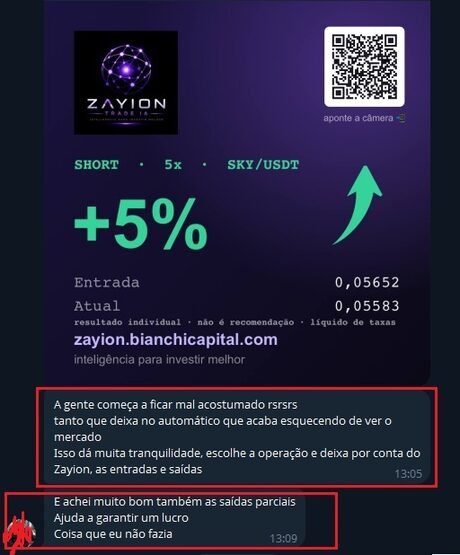
Sinal Zayion: SHORT SKY/USDT +5%
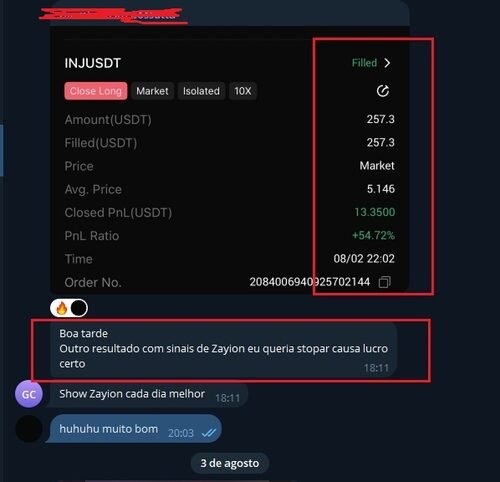
Operação fechada com +54,72% de PnL

Relato de usuário: “teve bons lucros realizados já”
Prints reais enviados por usuários. Resultados individuais e não representam garantia de rentabilidade. Conteúdo educacional, não é recomendação de investimento.
Quem escreve no CoinsFrontier
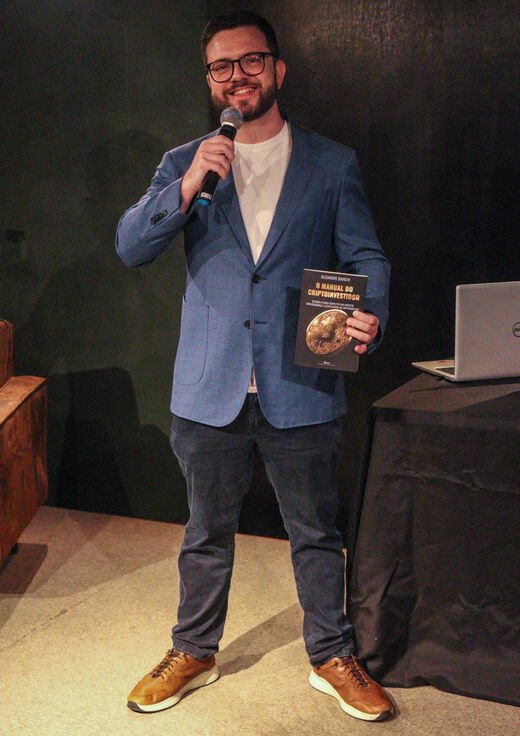
Alexandre Bianchi
Fundador da Bianchi Capital e do Zayion AI. ~10 anos no mercado de ativos digitais, autor de referência e presença na mídia.
Receba as melhores análises de cripto no seu e-mail
Automação, bots e sinais sem caixa-preta — direto no seu e-mail. Grátis.
Sem spam. Cancele quando quiser.
✅ Pronto! Confira seu e-mail (e a caixa de promoções) para confirmar.