
How the $424 Million Oil Deal Between Poland and Venezuela Failed With USDT
A $424 million contract for oil supply between Polish state refinery Orlen and Venezuelan state oil company PDVSA ended in loss and controversy after advance payments in USDT and no oil delivery. The episode, revealed in September 2026, highlights the challenges and risks of using stablecoins in international commodity trading.
What happened: USDT at the center of the deal
In 2023, Orlen, Poland’s largest refinery, struck a deal with PDVSA to buy Venezuelan crude oil. According to documents and reports, Orlen paid $230 million in advance, converting part of the amount into USDT (Tether), a stablecoin pegged to the dollar. The payment was reportedly transferred to Venezuelan representatives, who received the funds on USB drives in Caracas, in an unconventional process outside traditional banking systems.
The expectation was to receive oil shipments, but delivery never happened. Orlen was left without the product and most of the money, raising concerns about the security and traceability of large-volume cryptocurrency transactions.
Why the case matters for the crypto market
The failure of the Poland-Venezuela deal using USDT raises red flags for investors and companies about the risks of stablecoin payments in high-value international operations. Although stablecoins like Tether are widely used for fast transfers and to avoid sanctions, the lack of traditional protection mechanisms—such as bank guarantees or international arbitration—can expose parties to irreversible losses.
Additionally, the case highlights how the cryptocurrency market is increasingly present in traditional sectors like energy, but still faces regulatory and governance challenges that can undermine trust in transactions.
Stablecoins: advantages and pitfalls in global deals
Stablecoins like USDT are designed to facilitate international transactions, especially in countries under sanctions or with currency restrictions, such as Venezuela. They allow for near-instant transfers and can be moved without banking intermediaries. However, the lack of transparency and the difficulty of reversing payments in case of contract breaches are critical issues.
In the Polish case, transferring millions of dollars in stablecoins directly to Venezuelan representatives, without delivery guarantees, exposed Orlen to high risk. The absence of traditional compliance mechanisms may have enabled misappropriation or bad faith, making it harder to hold those involved accountable.
Impacts for the sector and what to watch next
The episode may influence the risk perception of large companies when considering cryptocurrencies as a payment method in global operations. Experts believe the case could prompt new compliance guidelines and increase pressure for greater regulation of stablecoin use in international contracts.
For investors, the lesson is clear: while cryptocurrencies offer speed and accessibility, legal security remains a challenge in large-scale deals, especially when involving countries with a history of instability or sanctions.
Want to trade crypto with AI support? Check out Zayion AI, Bianchi Capital’s trading assistant.
With information from BeInCrypto Brazil, September 2026.
Resultados e relatos reais de quem usa o Zayion
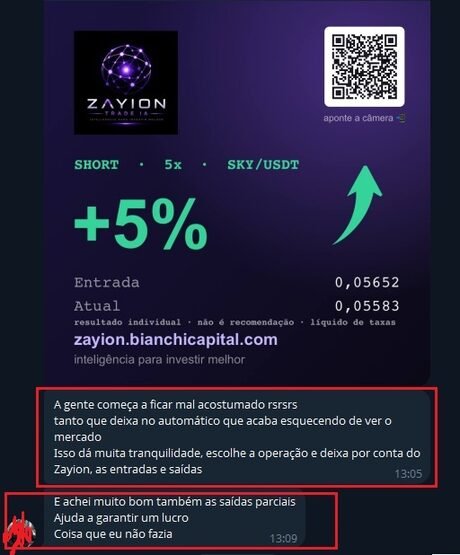
Sinal Zayion: SHORT SKY/USDT +5%
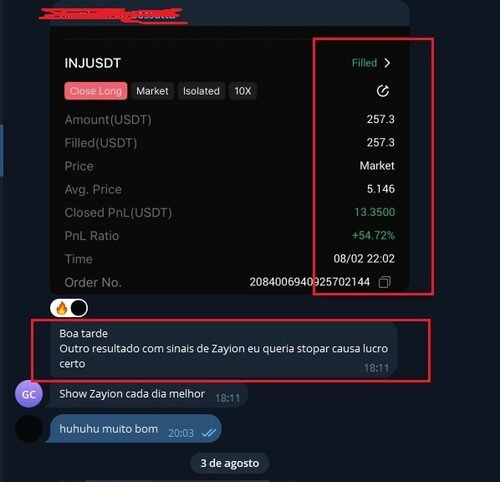
Operação fechada com +54,72% de PnL

Relato de usuário: “teve bons lucros realizados já”
Prints reais enviados por usuários. Resultados individuais e não representam garantia de rentabilidade. Conteúdo educacional, não é recomendação de investimento.
Quem escreve no CoinsFrontier
Alexandre Bianchi
Fundador da Bianchi Capital e do Zayion AI. ~10 anos no mercado de ativos digitais, autor de referência e presença na mídia.

Receba as melhores análises de cripto no seu e-mail
Automação, bots e sinais sem caixa-preta — direto no seu e-mail. Grátis.
Sem spam. Cancele quando quiser.
✅ Pronto! Confira seu e-mail (e a caixa de promoções) para confirmar.