
2 Robinhood engineers charged in Hyperliquid insider trading case: what’s next?
Two software engineering professionals from the Robinhood brokerage have been formally charged by US authorities for trading futures contracts of the Hyperliquid token based on confidential information, in an episode that highlights the risks and compliance challenges in the cryptocurrency world.
Charges detail alleged insider trading in Hyperliquid
According to federal prosecutors, the Robinhood engineers allegedly accessed sensitive data about the imminent listing of Hyperliquid tokens on major platforms before the public announcement. As a result, they carried out trades involving Hyperliquid futures contracts, maximizing gains by anticipating the expected price surge after the news was released to the market.
The case was made public in September 2026 and involves criminal charges of fraud and insider trading. Investigations indicate that the suspicious trades occurred close to the token’s listing, generating profits considered abnormal for the accused’s usual trading patterns.
Hyperliquid: asset context and impact of listings
Hyperliquid is a decentralized crypto derivatives trading platform that gained notoriety in 2026 with the launch of its native token. Listings on major exchanges often drive up the price of newly launched assets, attracting speculators and investors alert to the so-called “listing effect.”
In Hyperliquid’s case, the anticipation surrounding its debut on centralized exchanges resulted in high volatility and above-average liquidity in the token’s futures contracts. Episodes like this highlight the importance of strict information control policies and internal trade monitoring, especially for companies operating in the digital financial sector.
Robinhood under pressure: reputation and compliance at stake
For Robinhood, known for democratizing access to stock and crypto markets, the episode represents a serious reputational blow. The brokerage, which has previously faced criticism for transparency and security lapses, now finds itself under pressure to strengthen its compliance mechanisms and internal investigations to prevent similar incidents.
The crypto sector, still lacking clear regulation in many markets, increasingly depends on self-discipline and the adoption of robust corporate practices to maintain investor trust. Insider trading cases like the one reported this week may accelerate regulatory discussions and result in greater scrutiny of major players’ operations in the sector.
What can investors and the market expect next?
The case’s fallout is likely to generate volatility in the assets involved, both for the Hyperliquid token and Robinhood shares. Institutional and retail investors will be watching closely for legal developments and potential changes in brokerages’ internal policies.
Additionally, the episode could serve as a catalyst for new transparency and traceability initiatives in cryptoasset trading, with an emphasis on the use of automated monitoring tools and frequent external audits.
Want to trade crypto with AI support? Check out Zayion AI, the trading assistant from Bianchi Capital.
With information from BeInCrypto Brazil (September 2026).
Resultados e relatos reais de quem usa o Zayion
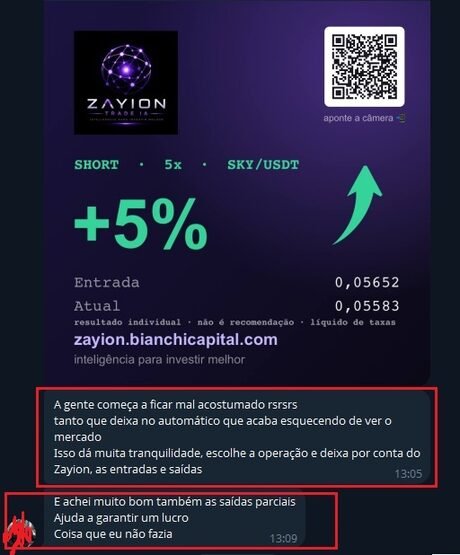
Sinal Zayion: SHORT SKY/USDT +5%
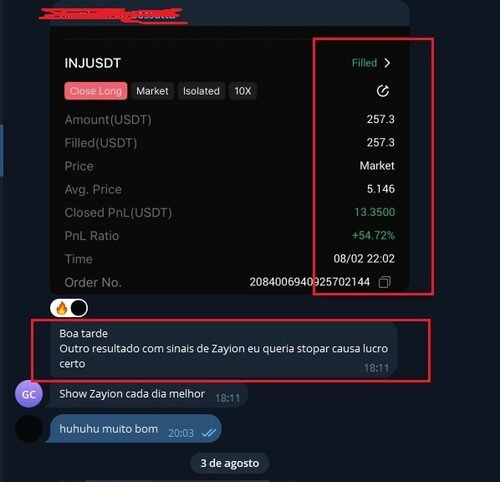
Operação fechada com +54,72% de PnL

Relato de usuário: “teve bons lucros realizados já”
Prints reais enviados por usuários. Resultados individuais e não representam garantia de rentabilidade. Conteúdo educacional, não é recomendação de investimento.
Quem escreve no CoinsFrontier
Alexandre Bianchi
Fundador da Bianchi Capital e do Zayion AI. ~10 anos no mercado de ativos digitais, autor de referência e presença na mídia.

Receba as melhores análises de cripto no seu e-mail
Automação, bots e sinais sem caixa-preta — direto no seu e-mail. Grátis.
Sem spam. Cancele quando quiser.
✅ Pronto! Confira seu e-mail (e a caixa de promoções) para confirmar.