
Binance hackers move $600M in Ethereum through decentralized networks
Hackers linked to the massive Binance attack moved approximately $600 million in Ethereum between November 18 and 19, 2026, using decentralized protocols such as THORChain and Chainflip in an attempt to hide the origin of the funds. The tracking was carried out by OnChain Lens experts, raising concerns about security and traceability challenges in the global crypto ecosystem.
How did the Binance hackers hide $600 million in ETH?
According to OnChain Lens, the hackers transferred nearly $600 million in ETH through multiple wallets and cross-chain platforms, such as THORChain and Chainflip, in just two days. The goal was to fragment and mix the assets to make it harder for authorities to track them.
These operations involved sending large volumes of Ethereum to new wallets and then using decentralized exchange protocols that allow conversion between different blockchains without intermediaries. By using DeFi solutions like THORChain and Chainflip, the hackers took advantage of the liquidity and anonymity of these tools, making it more complex to identify and recover the stolen funds.
On-chain trackers highlight that the use of decentralized protocols and cross-chain swaps is increasing in cases of illicit asset laundering, as they make it harder to freeze funds and for different jurisdictions to cooperate.
What changes for the security of cryptocurrency exchanges?
The incident highlights the vulnerability of centralized exchanges to sophisticated attacks and the challenge of recovering funds in a decentralized environment. Binance, which has already obtained a global court order to freeze up to $6.5 billion in assets related to the case, faces difficulties blocking funds when they move through DeFi networks.
After the attack, Binance sought support from protocols and international authorities, but tools like THORChain and Chainflip do not have central entities to respond to court orders. This shows that, even with legal measures, decentralization can limit the effectiveness of blocking actions.
The case reignites the debate about the need to improve compliance and monitoring mechanisms in DeFi protocols, as well as encouraging regulatory discussions to prevent stolen assets from circulating freely between different blockchains.
Why does the use of THORChain and Chainflip worry the market?
The use of cross-chain protocols like THORChain and Chainflip allows hackers to convert and move assets between different blockchains quickly and anonymously, complicating the tracking and eventual recovery of the funds. According to OnChain Lens data, these protocols were key to dispersing the $600 million in ETH.
In addition to making it harder for authorities to act, these decentralized channels offer significant liquidity, enabling large operations in a short time. The growth of these tools worries regulators and exchanges, who see them as a new challenge for the sector’s security, especially after major hacks like Binance’s.
The episode may accelerate discussions about KYC (know your customer) requirements, transaction limits, and international cooperation to monitor and combat crimes involving digital assets.
| Protocol | Amount moved (US$) | Source |
|---|---|---|
| THORChain | approx. 350M | OnChain Lens |
| Chainflip | approx. 250M | OnChain Lens |
What can investors and exchanges do in this scenario?
To mitigate risks, exchanges and investors should strengthen on-chain monitoring practices, adopt blockchain analysis tools, and collaborate with international agencies. According to OnChain Lens experts, the transparency and traceability of transactions are still strengths of public networks, but require constant attention as asset laundering techniques evolve.
The case also serves as a warning for DeFi projects to implement alert mechanisms and voluntary cooperation with authorities, without compromising decentralization, aiming to protect users and the ecosystem as a whole.
Want to trade crypto with AI support? Meet Zayion AI, Bianchi Capital’s trading assistant.
With information from Cointelegraph.
Resultados e relatos reais de quem usa o Zayion
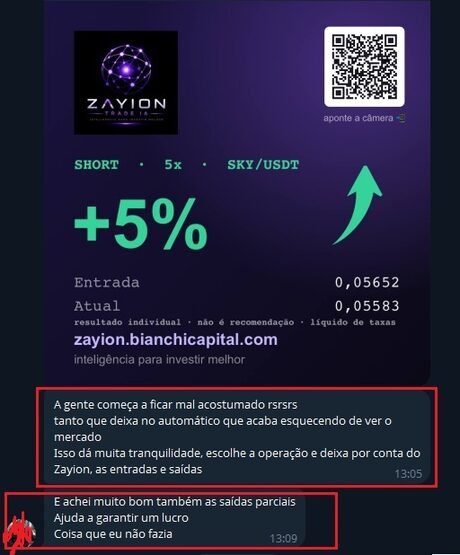
Sinal Zayion: SHORT SKY/USDT +5%
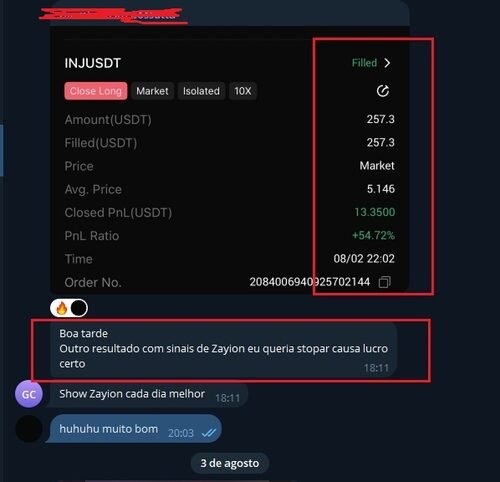
Operação fechada com +54,72% de PnL

Relato de usuário: “teve bons lucros realizados já”
Prints reais enviados por usuários. Resultados individuais e não representam garantia de rentabilidade. Conteúdo educacional, não é recomendação de investimento.
Quem escreve no CoinsFrontier
Alexandre Bianchi
Fundador da Bianchi Capital e do Zayion AI. ~10 anos no mercado de ativos digitais, autor de referência e presença na mídia.

Receba as melhores análises de cripto no seu e-mail
Automação, bots e sinais sem caixa-preta — direto no seu e-mail. Grátis.
Sem spam. Cancele quando quiser.
✅ Pronto! Confira seu e-mail (e a caixa de promoções) para confirmar.