
Central Bank releases names of executives and advances with 17 companies in crypto licenses
The Central Bank of Brazil revealed this week the names of 59 executives from 20 cryptocurrency companies, while 17 of these firms advanced in the regulatory process to obtain an operating license, with 24 actions recorded between November 6 and 13. This move marks a new phase in the regulation of the national crypto market and has a direct impact on investors and companies in the sector.
Which companies advanced in the Central Bank’s licensing process?
According to Central Bank data, 17 cryptocurrency companies recorded a total of 24 procedural actions between November 6 and 13, 2026, indicating progress in their applications for a license to operate in Brazil. The information was published by the regulatory body and compiled by specialized portals.
Among the companies that appear both in the list of actions and in the list of executives released by the Central Bank are well-known names in the market, such as Ripio, Crown, LH, Mazzera, and Cademartori Z. These companies have been working to comply with new regulatory requirements to ensure their operations in the country, amid advancing legislation and increased scrutiny of the sector.
The formalization of these processes reflects the companies’ pursuit of legal security and transparency, points increasingly valued by investors and institutional partners. This movement also aligns Brazil with international trends in digital asset regulation.
What changes for those investing in cryptocurrencies in Brazil?
With the release of the names of 59 executives and the progress of companies in the licensing process, the Central Bank is strengthening oversight of the crypto market, increasing transparency for investors and users. The information comes from the Central Bank of Brazil, published in official statements.
For investors, the publication of executives and the monitoring of authorization processes provide greater visibility into who is behind the main crypto platforms and services in the country. This makes it easier to assess risks and make decisions, given the history of scams and fraud involving unregistered or unsupervised companies.
In addition, closer involvement by the regulator tends to raise governance and compliance standards in the sector, which can boost public confidence and attract institutional investment. The expectation is that, with the granting of licenses, authorized companies will be able to expand their operations and offer more sophisticated products, such as custody services and regulated trading.
Why is the Central Bank tightening oversight of stablecoins?
In recent closed meetings, Central Bank representatives stated that the use of stablecoins can facilitate money laundering operations, turning “good money into bad,” according to coverage by the Livecoins portal. The agency sees the need for strict monitoring of these operations.
Stablecoins are digital currencies pegged to stable assets, such as the dollar, and have gained popularity in Brazil for transfers and protection against volatility. However, the ease of movement and difficulty in tracking worry regulators, who fear illicit use of these instruments.
The tightening of rules and the focus on transparency are direct responses to these risks. The Central Bank seeks to ensure that companies working with stablecoins follow global anti-money laundering standards, reinforcing its commitment to the integrity of the financial system.
| Indicator | Quantity | Source |
|---|---|---|
| Companies with procedural actions | 17 | Central Bank |
| Actions recorded | 24 | Central Bank |
| Executives disclosed | 59 | Central Bank |
| Companies with executives published | 20 | Central Bank |
Which companies are on the radar of Brazilian crypto regulation?
Among the companies that appear both in the progress of processes and in the list of executives are Ripio, Crown, LH, Mazzera, and Cademartori Z, as disclosed by the Central Bank of Brazil. These companies represent a significant part of the national crypto ecosystem.
The prominence of these companies in the regulatory process demonstrates the sector’s effort to seek compliance and participate in building a safer environment for investors. Public monitoring of these names also makes it easier to oversee and demand responsible practices.
The market remains attentive to the Central Bank’s next steps, which is expected to continue publishing updates on the progress of processes and possible license grants in the coming months. The expectation is that regulation will bring greater predictability and maturity to the cryptoasset sector in Brazil.
Want to trade crypto with AI support? Check out Zayion AI, Bianchi Capital’s trading assistant.
With information from Bitnoticias, Livecoins, and the Central Bank of Brazil.
Resultados e relatos reais de quem usa o Zayion
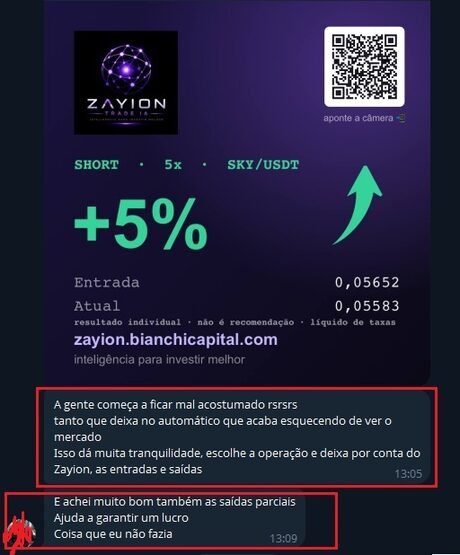
Sinal Zayion: SHORT SKY/USDT +5%
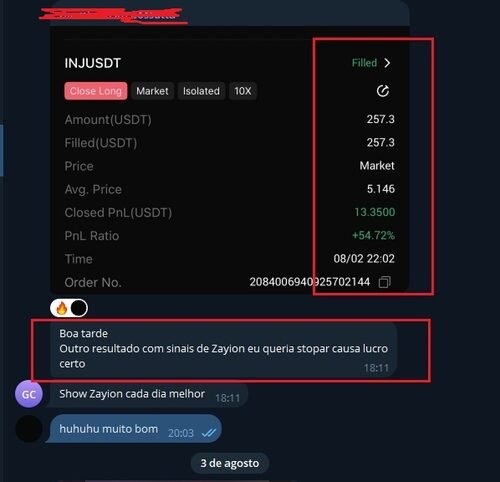
Operação fechada com +54,72% de PnL

Relato de usuário: “teve bons lucros realizados já”
Prints reais enviados por usuários. Resultados individuais e não representam garantia de rentabilidade. Conteúdo educacional, não é recomendação de investimento.
Quem escreve no CoinsFrontier
Alexandre Bianchi
Fundador da Bianchi Capital e do Zayion AI. ~10 anos no mercado de ativos digitais, autor de referência e presença na mídia.

Receba as melhores análises de cripto no seu e-mail
Automação, bots e sinais sem caixa-preta — direto no seu e-mail. Grátis.
Sem spam. Cancele quando quiser.
✅ Pronto! Confira seu e-mail (e a caixa de promoções) para confirmar.