
Claude AI solves 17-year-old mystery of Satoshi’s Bitcoin
After nearly two decades of speculation, the mystery surrounding the original Bitcoin code for Windows, published by Satoshi Nakamoto in 2009, has finally been solved. Using the Claude Opus 5.5 artificial intelligence model, the developer known as T4T5 managed to recreate the exact program released by Satoshi, a milestone in Bitcoin’s history that has intrigued the community for 17 years.
Reconstructing the beginning: the challenge of the original code
Since Bitcoin’s launch in January 2009, enthusiasts and researchers have tried to faithfully reconstruct the Windows program created by Satoshi. Although the open source code was available, no one had managed to compile an identical version to the one initially distributed, due to subtle differences in libraries, old operating systems, and incomplete documentation. This fueled theories and debates about technical details lost in Bitcoin’s history.
T4T5’s work, revealed in September 2026, used Claude Opus 5.5, one of the most advanced AI models on the market, to analyze original files, old messages from the BitcoinTalk forum, and scattered code snippets. The AI was able to fill technical gaps, identify dependencies from that era, and suggest adjustments that allowed, for the first time in 17 years, the compilation of an executable faithful to the one Satoshi released for Windows XP.
Why does this achievement matter for the crypto ecosystem?
The reconstruction of the original program not only ends an old debate, but also provides a unique window into the design decisions made by Satoshi Nakamoto. Access to the exact software allows developers to understand nuances of the implementation, such as how the primitive mining system worked, network limitations, and even security choices present in the first release.
For investors and scholars, this breakthrough reinforces the historical transparency of the Bitcoin project and may inspire new analyses on the evolution of the digital currency and its impact on the market. Additionally, the episode highlights the potential of AI tools for research in legacy code and digital archaeology, with possible applications in other crypto projects and decentralized systems.
The role of AI and the future of historical code preservation
The use of Claude AI in this context marks a growing trend of applying artificial intelligence to solve technical puzzles and recover historical software. Models like Opus 5.5 can process large volumes of data, identify patterns, and suggest innovative solutions for problems considered unsolvable by traditional methods.
This approach could become a reference for other cryptocurrencies and blockchain projects whose original codes have been lost or become obsolete. The Bitcoin case shows that, even in the face of documentation gaps, technology can recover and preserve essential elements of the sector’s history, benefiting developers, researchers, and the global community.
Potential impacts for Bitcoin and the crypto market
Although the reconstruction of the original program does not have a direct impact on Bitcoin’s price, it reinforces the project’s legitimacy and transparency in the eyes of the market. The achievement may encourage similar initiatives for other historic coins, as well as stimulate debates about governance, code auditing, and digital preservation in the crypto world.
The initiative also illustrates how artificial intelligence can become a strategic ally in solving technical and historical challenges, expanding the frontiers of innovation in the blockchain ecosystem.
Want to trade crypto with AI support? Check out Zayion AI, Bianchi Capital’s trading assistant.
With information from BeInCrypto Brazil.
Resultados e relatos reais de quem usa o Zayion
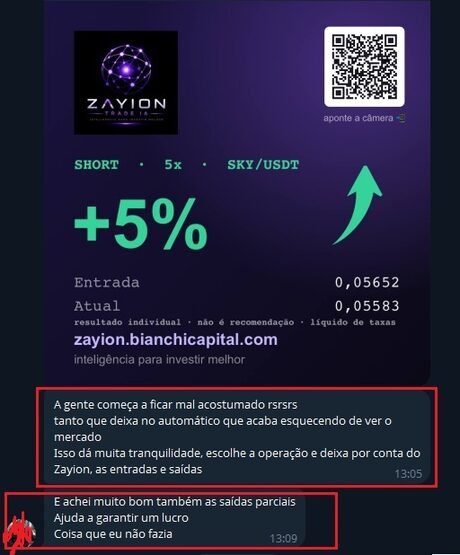
Sinal Zayion: SHORT SKY/USDT +5%
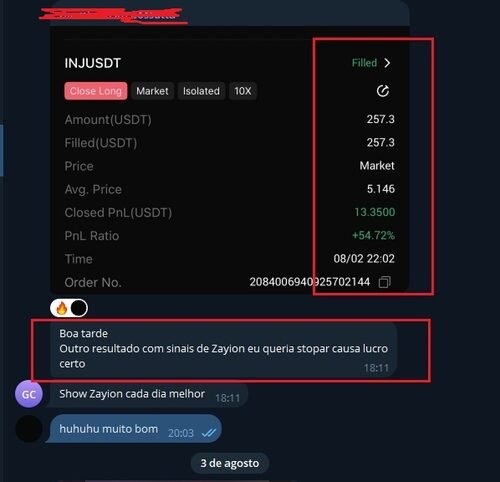
Operação fechada com +54,72% de PnL

Relato de usuário: “teve bons lucros realizados já”
Prints reais enviados por usuários. Resultados individuais e não representam garantia de rentabilidade. Conteúdo educacional, não é recomendação de investimento.
Quem escreve no CoinsFrontier
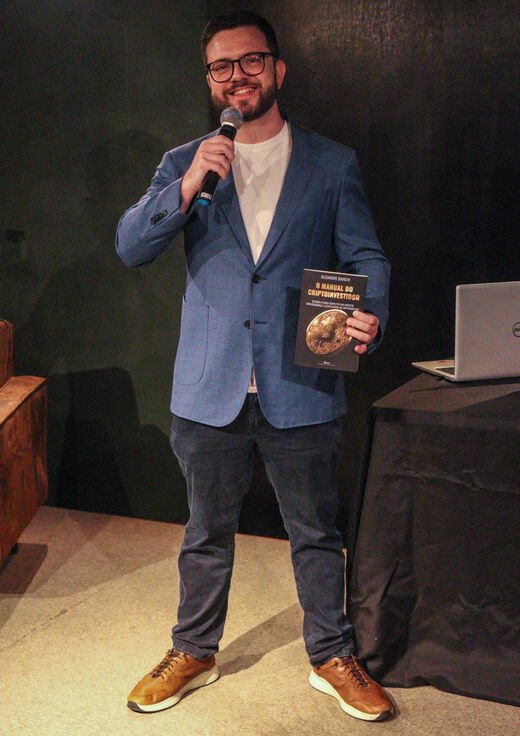
Alexandre Bianchi
Fundador da Bianchi Capital e do Zayion AI. ~10 anos no mercado de ativos digitais, autor de referência e presença na mídia.
Receba as melhores análises de cripto no seu e-mail
Automação, bots e sinais sem caixa-preta — direto no seu e-mail. Grátis.
Sem spam. Cancele quando quiser.
✅ Pronto! Confira seu e-mail (e a caixa de promoções) para confirmar.