
Ethereum cements itself as the benchmark among programmable blockchains and challenges Layer 1 competitors
Ethereum, the largest smart contract platform on the market, intensified its leadership in 2026 by expanding functionalities and reinforcing security, putting direct pressure on competing so-called Layer 1 blockchains to migrate or rethink their approaches. This scenario marks a new stage in the race for scalability and decentralization in the crypto world.
Ethereum: from smart contracts to Proof of Stake
Launched in 2015, Ethereum transformed the blockchain concept by allowing developers to create decentralized applications through smart contracts—self-executing code that runs on the Ethereum Virtual Machine (EVM). This innovation made the blockchain programmable, expanding possibilities beyond the simple value transfers seen with Bitcoin.
With the transition to Proof of Stake (PoS) in 2022, Ethereum reduced energy consumption and increased security, becoming a benchmark for projects seeking to balance decentralization, scalability, and protection against attacks. Currently, ETH is used both to secure the network and to pay transaction fees (gas fees), which vary according to blockchain usage demand.
Challenges for alternative Layer 1s
In recent years, alternative blockchains like Solana, Avalanche, and Near have emerged promising greater scalability and lower fees, but face challenges in maintaining the same level of security and decentralization as Ethereum. Many of these projects have made trade-offs, such as having fewer validators or less robust structures, which can increase the risk of attacks and lead to centralization.
With the growth of the Ethereum ecosystem and the strengthening of its infrastructure, several of these smaller Layer 1s have started to integrate compatible solutions or migrate part of their operations to Ethereum itself, seeking to benefit from its network effect and established security.
Technical advances and preparing for the future
Ethereum continues to evolve with network upgrades aimed at further strengthening its position. Among the latest developments, researchers have announced the abandonment of proposals for faster blocks in favor of focusing on defenses against quantum attacks, aiming to make the network robust through 2027. The goal is to prepare the protocol to withstand potential quantum computing threats, maintaining user and developer trust for the long term.
These technical improvements have a direct impact on transaction costs, the experience of DeFi and NFT users, and the appeal for developers looking to build new applications, cementing Ethereum as the benchmark standard among programmable blockchains.
What to watch in the Layer 1 market
With Ethereum’s dominance, investors and developers are closely watching how alternative Layer 1 blockchains will position themselves: whether they will target specific niches, adopt interoperability, or focus on complementary solutions such as rollups and sidechains. The balance between security, decentralization, and scalability will remain the main challenge in the coming years, directly influencing token prices and the evolution of the crypto ecosystem.
Want to trade crypto with AI support? Check out Zayion AI, Bianchi Capital’s trading assistant.
With information from The Block.
Resultados e relatos reais de quem usa o Zayion
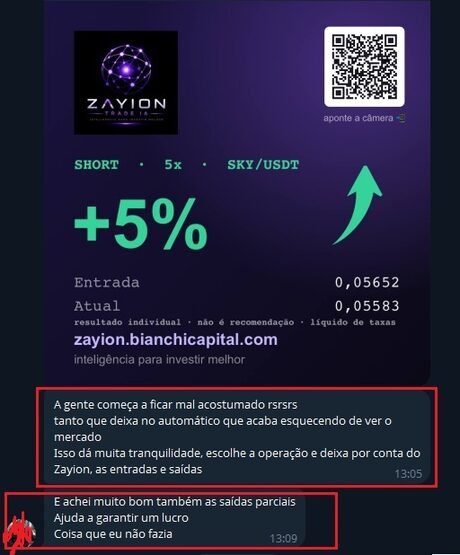
Sinal Zayion: SHORT SKY/USDT +5%
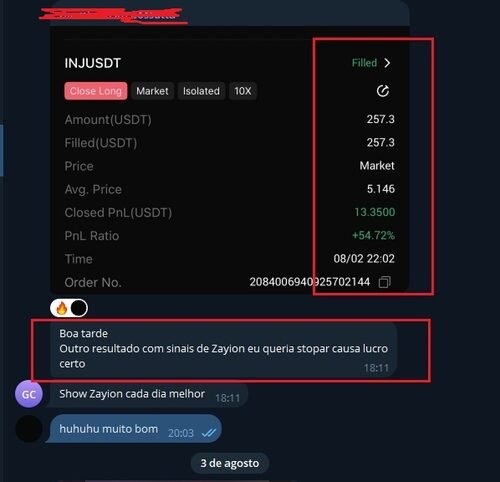
Operação fechada com +54,72% de PnL

Relato de usuário: “teve bons lucros realizados já”
Prints reais enviados por usuários. Resultados individuais e não representam garantia de rentabilidade. Conteúdo educacional, não é recomendação de investimento.
Quem escreve no CoinsFrontier
Alexandre Bianchi
Fundador da Bianchi Capital e do Zayion AI. ~10 anos no mercado de ativos digitais, autor de referência e presença na mídia.

Receba as melhores análises de cripto no seu e-mail
Automação, bots e sinais sem caixa-preta — direto no seu e-mail. Grátis.
Sem spam. Cancele quando quiser.
✅ Pronto! Confira seu e-mail (e a caixa de promoções) para confirmar.