
Gnosis Pay breach exposes card numbers, home addresses and linked crypto wallets
The crypto payments provider Gnosis Pay confirmed on Tuesday (7th) that a cyberattack resulted in the exposure of users’ personal and financial data, including card numbers, home addresses, and information about cryptocurrency wallets linked to accounts. The leak has heightened concerns about targeted scam risks, especially for users who use the platform to combine traditional banking services and crypto assets.
What was exposed in the Gnosis Pay attack
According to information released by the company itself, the incident compromised confidential data such as debit card numbers, home addresses, and details of the cryptocurrency wallets linked to customers’ accounts. One user reported that the exposed data would allow any malicious party to connect their home address and card number to all crypto wallets connected to their account, expanding the attack surface for potential scams and fraud.
Gnosis Pay, which offers payment solutions with crypto-fiat integration, emphasized that it is conducting detailed investigations to identify the full extent of the leak and is notifying affected customers. The company has not yet disclosed the exact number of users affected, but confirmed that the breach involved enough data to enable sophisticated social engineering attacks.
Context: Gnosis Pay’s role in the crypto ecosystem
Launched as a project linked to the Gnosis ecosystem, Gnosis Pay offers debit cards that allow payments in fiat currency and crypto assets, making everyday use of cryptocurrencies easier. Its goal is to connect digital wallets to traditional payment services, expanding the adoption of digital assets in retail.
The platform had been gaining traction among users seeking flexibility to move between crypto and fiat. However, the recent incident shows that integrating different systems can increase risks if security measures do not keep pace with the growth of services.
Risks for users and sector impacts
The leak of data such as home address and linked crypto wallets is particularly serious, as it facilitates targeted attacks like phishing attempts, account takeovers, and even physical threats. The exposure of card numbers can also result in conventional financial fraud, in addition to compromising customer privacy.
In the cryptocurrency market, the security of personal and financial information is one of the pillars for large-scale adoption. Incidents like this can undermine trust in solutions that promise to unite the best of both worlds – the flexibility of crypto assets with the convenience of traditional financial services.
Gnosis Pay’s response and next steps
The company stated that it is working with authorities and cybersecurity experts to mitigate the impact of the incident. Measures such as password resets, card reissuance, and guidance to increase personal security are already being implemented for affected customers.
The case serves as a warning to the entire crypto payments sector, highlighting the need for continuous improvement of security practices, especially in projects that handle sensitive data and system integration.
Want to trade crypto with AI support? Check out Zayion AI, Bianchi Capital’s trading assistant.
With information from CoinDesk.
Resultados e relatos reais de quem usa o Zayion
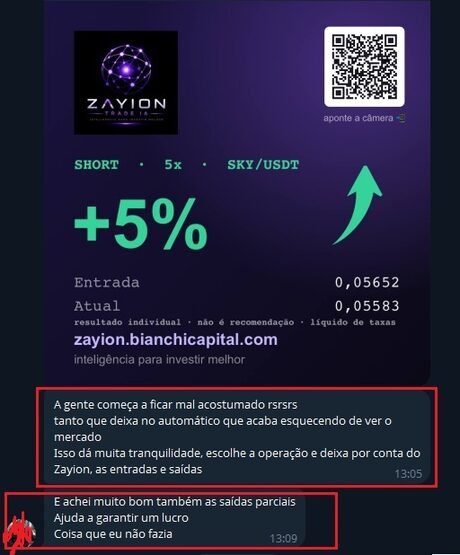
Sinal Zayion: SHORT SKY/USDT +5%
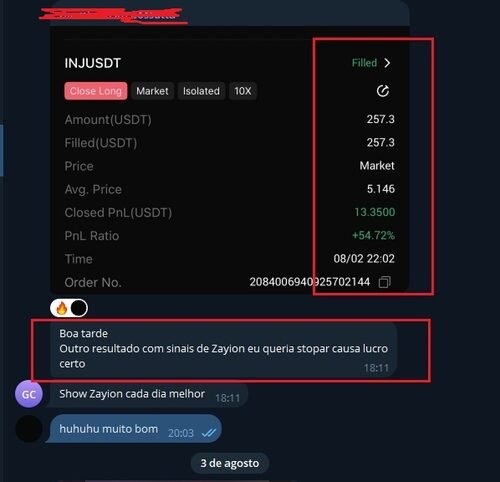
Operação fechada com +54,72% de PnL

Relato de usuário: “teve bons lucros realizados já”
Prints reais enviados por usuários. Resultados individuais e não representam garantia de rentabilidade. Conteúdo educacional, não é recomendação de investimento.
Quem escreve no CoinsFrontier
Alexandre Bianchi
Fundador da Bianchi Capital e do Zayion AI. ~10 anos no mercado de ativos digitais, autor de referência e presença na mídia.

Receba as melhores análises de cripto no seu e-mail
Automação, bots e sinais sem caixa-preta — direto no seu e-mail. Grátis.
Sem spam. Cancele quando quiser.
✅ Pronto! Confira seu e-mail (e a caixa de promoções) para confirmar.