
Greece Passes Crypto Tax Law With 10% Gains Levy, 15% on Staking and DeFi
On November 7, 2026, Greece took a significant step in regulating the crypto market by approving new legislation that establishes a 10% tax on annual cryptocurrency gains above €500 (approximately US$557) and a 15% tax on income from staking and DeFi. The law, which takes effect in 2027, aims to align the country with global regulatory trends but leaves important points open for investors.
What changes with the new Greek crypto law
For the first time, the Greek government sets a clear legal framework for the taxation of digital assets. Gains from the sale of cryptocurrencies will be taxed at 10% if they exceed the annual limit of €500. For staking activities and investments in DeFi protocols, the rate rises to 15%, reflecting authorities’ concerns about passive income in this sector.
The text also states that exchanges and platforms operating in the country must report client transactions to facilitate oversight. However, the legislation does not specify how token swaps—a common operation among crypto asset investors—will be treated.
Impact on investors and the European market
The regulation places Greece among the European countries with the clearest rules for crypto asset taxation, following a trend of increased control over the sector. The decision may influence other European Union countries to adopt similar models, even though rates may vary between jurisdictions.
For investors, the new scenario requires extra attention to tax management and detailed record-keeping, especially for those using staking or DeFi platforms, where monitoring and reporting income can be more complex. The exemption for annual gains below €500 may benefit small investors, but larger users should prepare for increased costs.
Unresolved issues and implementation challenges
Despite the progress, the legislation passed in Greece leaves important questions unanswered, especially regarding the taxation of token swaps—transactions in which one digital asset is exchanged directly for another without conversion to fiat currency. This type of transaction is common in portfolio management strategies and DeFi protocols, and the lack of guidelines may create legal uncertainty and difficulties in calculating the taxable base.
In addition, technical issues regarding how international exchanges will cooperate with the Greek tax authority still need clarification, especially in a market where many users choose platforms outside the country.
International context and regulatory trends
The measure adopted by Greece comes at a time of increasing regulatory pressure on the crypto asset sector worldwide. Countries like Germany, France, and Portugal are also revising their policies to create specific tax models for digital assets, responding to increased adoption and growing institutional investor interest.
The Greek move may accelerate discussions in other emerging markets and reinforce the need for harmonized rules in the European Union, especially given the challenges posed by decentralized finance and new forms of digital income generation.
Want to trade crypto with AI support? Check out Zayion AI, the trading assistant from Bianchi Capital.
With information from Decrypt.
Resultados e relatos reais de quem usa o Zayion
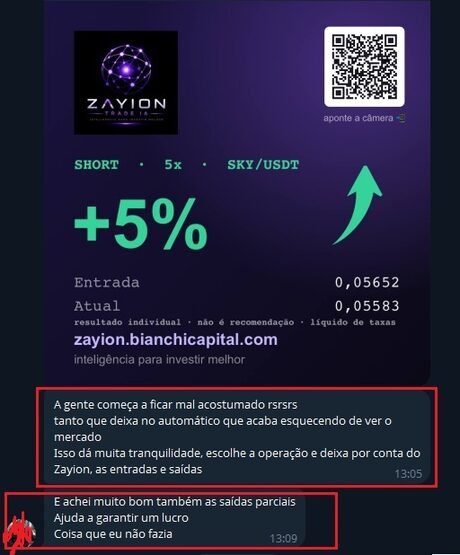
Sinal Zayion: SHORT SKY/USDT +5%
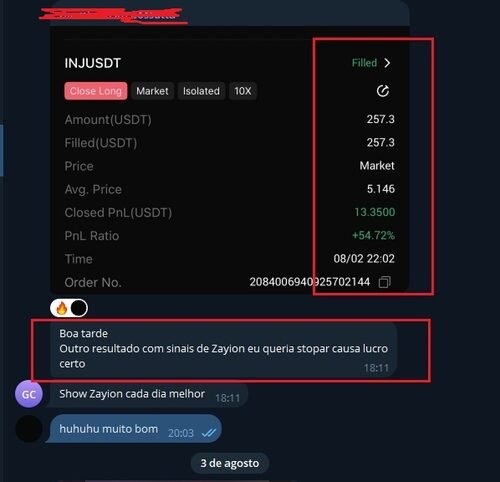
Operação fechada com +54,72% de PnL

Relato de usuário: “teve bons lucros realizados já”
Prints reais enviados por usuários. Resultados individuais e não representam garantia de rentabilidade. Conteúdo educacional, não é recomendação de investimento.
Quem escreve no CoinsFrontier
Alexandre Bianchi
Fundador da Bianchi Capital e do Zayion AI. ~10 anos no mercado de ativos digitais, autor de referência e presença na mídia.

Receba as melhores análises de cripto no seu e-mail
Automação, bots e sinais sem caixa-preta — direto no seu e-mail. Grátis.
Sem spam. Cancele quando quiser.
✅ Pronto! Confira seu e-mail (e a caixa de promoções) para confirmar.