
Hackers move $247 million in stolen crypto via Binance, Elliptic reveals
Hackers responsible for major cryptocurrency thefts turned to Binance to move about $247 million in digital assets, using advanced transaction mixing techniques known as coinjoin, according to a report released by Elliptic this Thursday (23). The investigation points out that such practices aim to hide the origin of the funds and make tracking by authorities and compliance platforms more difficult, raising concerns about the role of global exchanges in fighting crypto money laundering.
How did the hackers hide $247 million in crypto?
According to Elliptic, almost all of the analyzed coinjoin transactions were coordinated by an entity called Kruw, which operated at fixed daily times, suggesting the existence of a structured scheme to deliver the funds to money launderers based in China. The movements involved multiple mixing steps, making it harder to identify the origin of the assets.
The coinjoin technique allows multiple users to combine their transactions into a single batch, scrambling the trails and making it much more complex for blockchain analytics companies to monitor transfers. The concentration of operations under Kruw’s control indicates a centralized operation, increasing the risk of illicit funds being reintroduced into the global crypto market.
Why does this concern the cryptocurrency market?
The movement of large volumes of illicit funds through Binance and the systematic use of coinjoins reignite the debate about compliance and security challenges at major exchanges. Elliptic highlights that hackers’ ability to circulate stolen funds undetected can undermine institutional investor confidence and increase pressure for stricter regulations.
Moreover, the involvement of possible money launderers in China shows that international organized crime continues to exploit technological and regulatory gaps in the sector. In response, authorities and platforms have been expanding partnerships to track assets, but the sophistication of concealment strategies still represents a major obstacle.
What changes for crypto investors?
For investors, the episode reinforces the importance of choosing exchanges with robust anti-money laundering policies and monitoring of suspicious transactions. According to Elliptic, events like this can lead to withdrawal restrictions, temporary account freezes, and even retroactive investigations of transactions deemed irregular.
The recent history of attacks and money laundering in the sector is pressuring exchanges to invest in compliance solutions and collaborate more closely with international authorities. For Brazilian investors, understanding the risks associated with anonymous operations and the profile of the platforms used is essential to avoid exposure to illicit practices and protect their assets.
| Moved volume | Tool used | Central entity | Possible destination |
|---|---|---|---|
| $247 million | Coinjoin | Kruw | Launderers in China |
How have exchanges and regulators responded to these cases?
Platforms like Binance have been increasing the adoption of blockchain monitoring tools and implementing stricter KYC (Know Your Customer) policies, but incidents like the one reported by Elliptic show that there are still significant gaps. The challenge is to balance privacy, innovation, and security without driving away legitimate users.
International regulators, especially in the US, Europe, and Asia, have been pressuring exchanges to report suspicious transactions and restrict the use of mixers and other anonymization methods. However, the speed at which money laundering techniques evolve still often outpaces the regulatory and technological response capacity of the sector.
Want to trade crypto with AI support? Check out Zayion AI, Bianchi Capital’s trading assistant.
With information from Coindesk and Elliptic.
Resultados e relatos reais de quem usa o Zayion
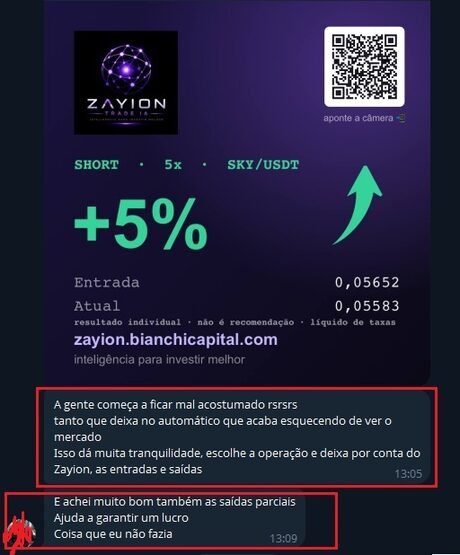
Sinal Zayion: SHORT SKY/USDT +5%
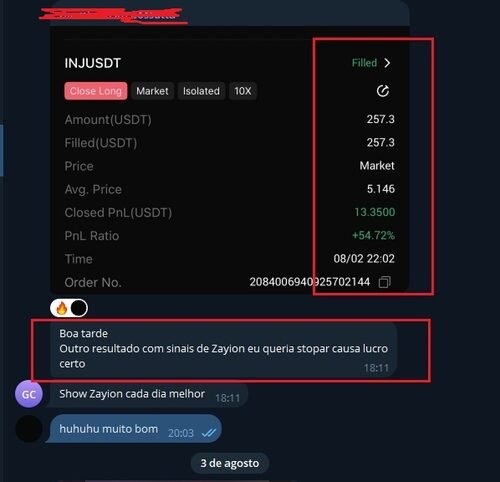
Operação fechada com +54,72% de PnL

Relato de usuário: “teve bons lucros realizados já”
Prints reais enviados por usuários. Resultados individuais e não representam garantia de rentabilidade. Conteúdo educacional, não é recomendação de investimento.
Quem escreve no CoinsFrontier
Alexandre Bianchi
Fundador da Bianchi Capital e do Zayion AI. ~10 anos no mercado de ativos digitais, autor de referência e presença na mídia.

Receba as melhores análises de cripto no seu e-mail
Automação, bots e sinais sem caixa-preta — direto no seu e-mail. Grátis.
Sem spam. Cancele quando quiser.
✅ Pronto! Confira seu e-mail (e a caixa de promoções) para confirmar.