
The Premise Behind JPMorgan’s Iran War Forecast No Longer Exists
JPMorgan informed its clients at the beginning of September 2026 that the premise behind JPMorgan’s Iran war forecast no longer exists, acknowledging it has lost the ability to anticipate the next steps of the conflict. The change in assessment, reported by Natasha Kaneva, the bank’s head of global commodities strategy, comes after several economic limits previously seen as safety barriers were surpassed, which brings important repercussions for crypto asset investors watching global volatility.
Context: From Oil to Crypto Market Impact
JPMorgan’s warning was triggered by the escalation of the conflict that began on August 28, 2026, when military tensions and economic sanctions sent Brent crude prices to levels not seen since 2022. Kaneva emphasized that, given the current scenario, the economic and geopolitical metrics that traditionally served as references for predictability and portfolio protection have been surpassed. This means that markets have entered uncharted territory, affecting not only commodities but also digital assets.
Historically, periods of geopolitical uncertainty increase the volatility of bitcoin and altcoins, as investors seek protection in alternative assets or take profits to gain liquidity. After the conflict began, bitcoin fluctuated by as much as 12% in two days, while tokens from blockchain infrastructure projects like Chainlink and Polygon saw drops of over 15%.
Economic Limits Surpassed and Crypto Volatility
According to JPMorgan, the “economic limits” that previously contained military escalations – such as the maximum oil price or the impact on global trade flows – have been broken. This led to a series of revisions in the bank’s projections for risk assets, including cryptocurrencies. Kaneva highlighted that, without these benchmarks, risk analysis becomes more complex and less reliable, which tends to increase caution among institutional investors.
In the crypto environment, the lack of predictability can result in two reactions: increased demand for dollar-pegged stablecoins like USDT and USDC, and greater demand for hedge products such as bitcoin and ether options. Global exchanges have already recorded a 25% increase in derivatives trading volume since the start of the crisis.
What to Watch in the Coming Days
With JPMorgan admitting the scenario is unpredictable, cryptocurrency investors should monitor macroeconomic events and policy announcements from major central banks, as any sign of escalation or easing can directly impact digital asset prices. Additionally, moves by large institutional funds may indicate short-term trends, especially during flights to safety.
Experts recommend paying close attention to exchange liquidity and trading pairs with stablecoins, since volatility can create opportunities but also high risks for leveraged traders.
Want to trade crypto with AI support? Check out Zayion AI, Bianchi Capital’s trading assistant.
With information from BeInCrypto Brazil, September 2026.
Resultados e relatos reais de quem usa o Zayion
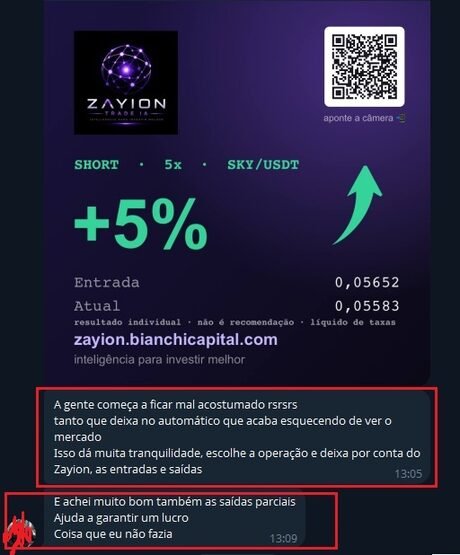
Sinal Zayion: SHORT SKY/USDT +5%
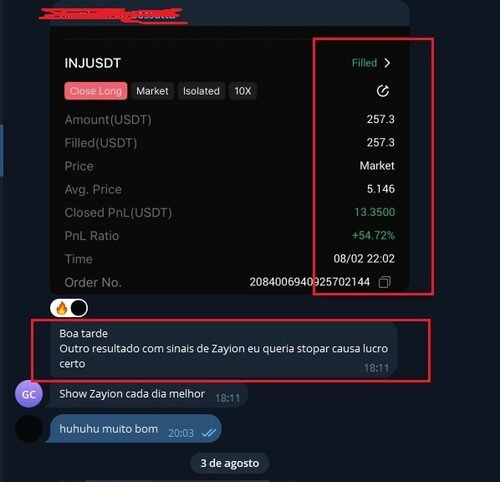
Operação fechada com +54,72% de PnL

Relato de usuário: “teve bons lucros realizados já”
Prints reais enviados por usuários. Resultados individuais e não representam garantia de rentabilidade. Conteúdo educacional, não é recomendação de investimento.
Quem escreve no CoinsFrontier
Alexandre Bianchi
Fundador da Bianchi Capital e do Zayion AI. ~10 anos no mercado de ativos digitais, autor de referência e presença na mídia.

Receba as melhores análises de cripto no seu e-mail
Automação, bots e sinais sem caixa-preta — direto no seu e-mail. Grátis.
Sem spam. Cancele quando quiser.
✅ Pronto! Confira seu e-mail (e a caixa de promoções) para confirmar.