
What happens if North Korea steals Wall Street’s tokenized assets next
After the mega hack that drained $6.3 billion from Binance, the crypto market is asking: What happens if North Korea steals Wall Street’s tokenized assets next? The debate is heating up as traditional institutions accelerate the adoption of digital assets, while sophisticated cybercriminal groups are refining their tactics and targeting not only cryptocurrencies but also tokenized financial assets.
From the Binance attack to fears of new targets
In 2026, Binance suffered the largest hack in its history, with losses of $6.3 billion. Investigations pointed to hackers linked to North Korea, who used methods such as phishing, fake job offers, and AI-driven system breaches. The case exposed vulnerabilities in the crypto sector and sparked discussion about what would happen if similar attacks hit the emerging tokenized assets of Wall Street.
Tokenized assets are digital representations of stocks, bonds, and other traditional financial instruments, issued on permissioned blockchains. Major banks like Citi, JPMorgan, and BNY Mellon are already testing and offering these products to institutional clients, attracted by the promise of 24/7 liquidity and operational efficiency.
Tokenization: advantages, risks, and possible setbacks
Tokenization allows fractions of traditional assets to be traded on blockchain, promising greater access and transparency. But unlike pure cryptocurrencies, these tokens are usually regulated and centralized, with entities responsible for backing and custody. In the event of theft, there are legal mechanisms for reversing transactions and freezing assets—something rare in the crypto universe.
However, experts warn: in situations of extreme stress, such as massive hacks, tokenized markets can freeze, liquidity can evaporate, and even confidence in the system can be shaken. The recent history of attacks shows that even regulated infrastructures are not immune to technical and human vulnerabilities.
What investors and the sector should watch for
If North Korea—or other advanced groups—focus their efforts on Wall Street’s tokenized assets, the impact could be twofold: direct financial losses and questions about the security of financial digitalization. In addition, the integration between DeFi, exchanges, and traditional banks expands the attack surface, requiring international collaboration in cybersecurity.
After the Binance attack, industry leaders like Changpeng Zhao (CZ) proposed crypto security alliances and intensive use of AI to detect threats in real time. At the same time, regulators and central banks are emphasizing the need for robust protocols and contingency plans for systemic events involving digital assets.
Crucial differences between crypto and financial tokens
While cryptocurrencies like Bitcoin and Ethereum are, by nature, impossible to reverse after a hack, tokenized financial assets may be subject to recovery processes, thanks to centralization and control by issuing entities. On the other hand, this centralization can also create single points of failure and new technological dependencies.
The Binance episode serves as a warning: even with rollback mechanisms, investor confidence can be shaken and market operations can be compromised by sophisticated attacks, especially if they involve state actors like North Korea.
Want to trade crypto with AI support? Check out Zayion AI, Bianchi Capital’s trading assistant.
With information from CoinDesk.
Resultados e relatos reais de quem usa o Zayion
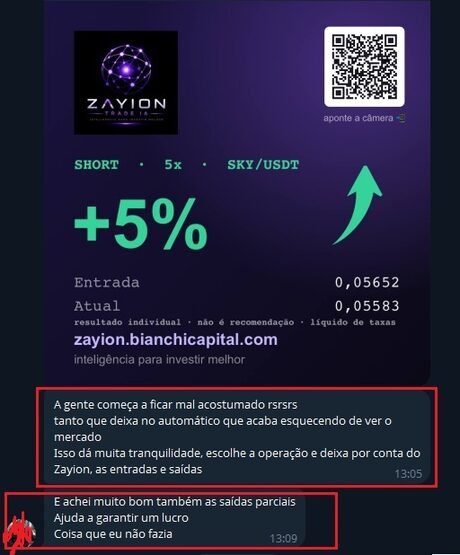
Sinal Zayion: SHORT SKY/USDT +5%
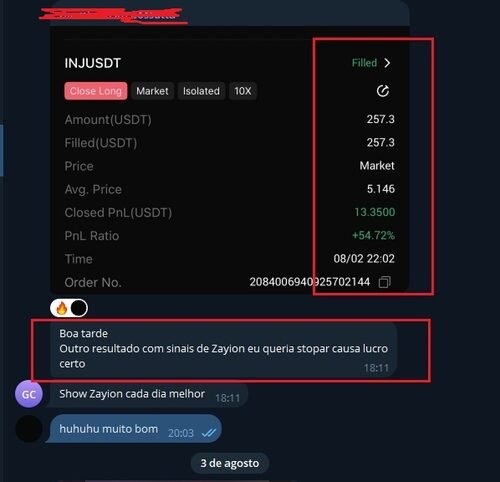
Operação fechada com +54,72% de PnL
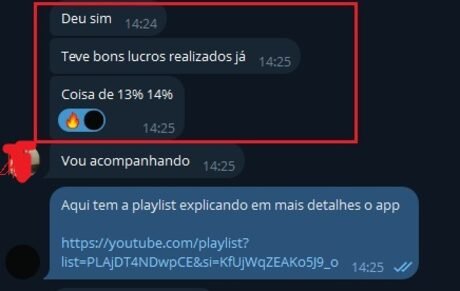
Relato de usuário: “teve bons lucros realizados já”
Prints reais enviados por usuários. Resultados individuais e não representam garantia de rentabilidade. Conteúdo educacional, não é recomendação de investimento.
Quem escreve no CoinsFrontier
Alexandre Bianchi
Fundador da Bianchi Capital e do Zayion AI. ~10 anos no mercado de ativos digitais, autor de referência e presença na mídia.

Receba as melhores análises de cripto no seu e-mail
Automação, bots e sinais sem caixa-preta — direto no seu e-mail. Grátis.
Sem spam. Cancele quando quiser.
✅ Pronto! Confira seu e-mail (e a caixa de promoções) para confirmar.