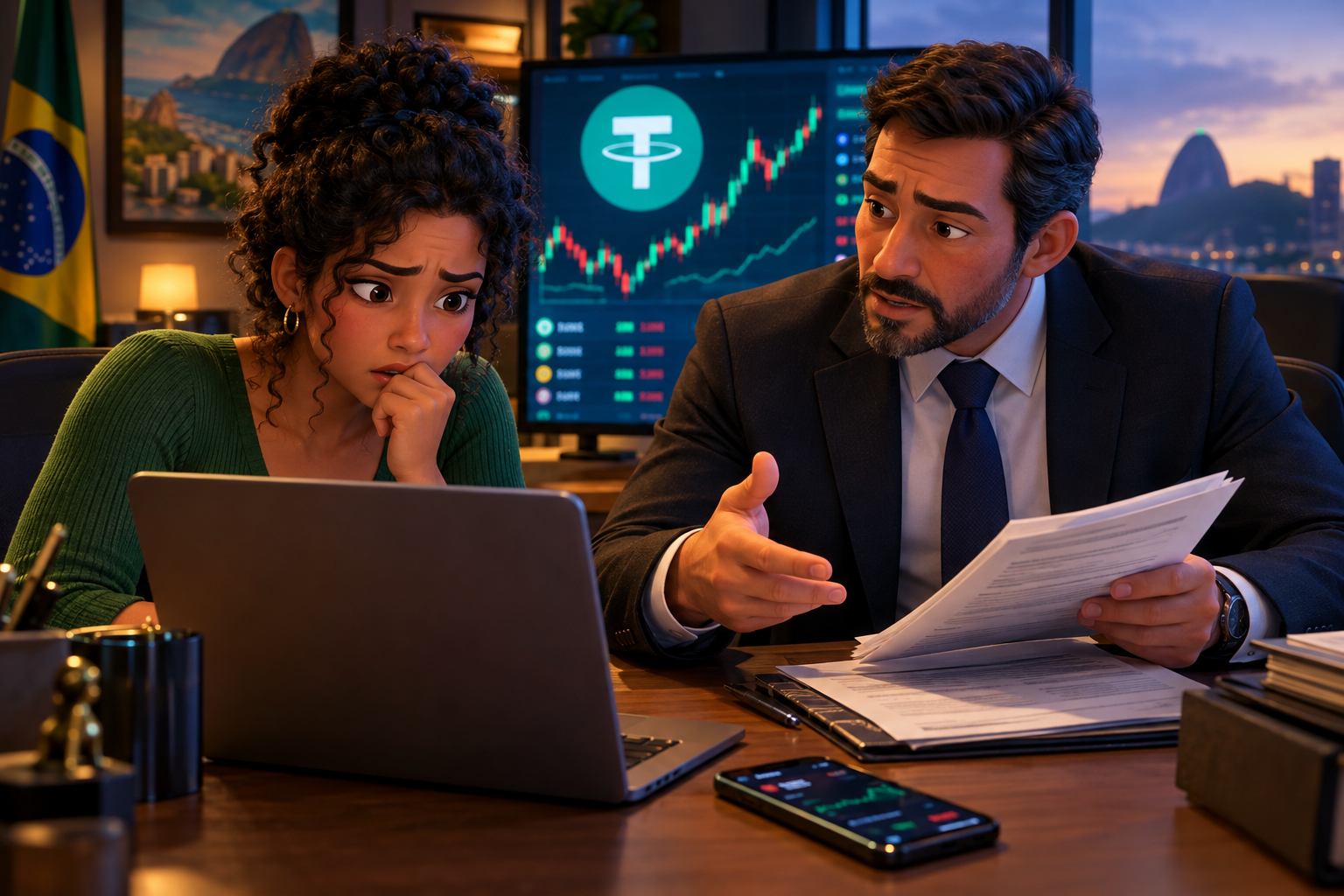
Tether returns $1.28 billion in frozen USDT, but victims face long waits and high fees
Tether, the issuer of the USDT stablecoin, reported it has returned $1.28 billion in funds frozen due to suspected theft or fraud, but victims report waits that can exceed years and fees reaching up to 20% of the recovered amount. The issue raises concerns about the effectiveness and transparency of protection mechanisms in the cryptocurrency world.
How does USDT freezing and return work?
According to Tether, freezing USDT suspected of theft or fraud can happen within minutes after notification, but returning the funds to their rightful owners can take years due to legal procedures and administrative costs, as revealed in a CoinDesk report.
The process begins when victims or authorities notify Tether about suspicious transactions. The company, with centralized control over USDT, can quickly freeze the involved tokens. However, for the funds to be released back to the owners, proof must be provided, legal requirements in different countries must be met, and often, court decisions must be awaited. This makes the return process slow and expensive. Investors report difficulties in covering high fees, which can consume a significant portion of the recovered amounts.
Why can the return of funds take years?
Returns can take years because they require legal proof of ownership of the funds, criminal investigations, and often court decisions in multiple jurisdictions, as Tether detailed to CoinDesk.
In addition to Tether’s internal review, the process depends on cooperation with law enforcement and regulatory agencies in various countries, which can drag on indefinitely. Complex cases, such as hacks involving major exchanges or sophisticated fraud schemes, often require international investigations. This means that even after freezing, access to the money can be uncertain and delayed, harming victims who rely on speed to mitigate losses.
What fees are charged to recover frozen USDT?
According to reports from victims and lawyers, the fees to recover frozen USDT can reach up to 20% of the total amount, including administrative costs and specialized legal fees, as reported by CoinDesk.
These high fees make the process even more burdensome for investors affected by scams or hacks. In addition to initial losses, many have to pay considerable amounts to try to recover part of their assets. In some cases, the cost of the process exceeds the amount recovered, discouraging the pursuit of returns. The situation highlights the need for greater transparency and standardization in the practices for returning blocked assets.
What changes for those investing in USDT and other stablecoins?
For investors, the case reinforces the importance of understanding operational and regulatory risks when trading stablecoins like USDT, as the recovery of lost funds can be slow, costly, and uncertain, according to CoinDesk analysis.
USDT is the most traded stablecoin in the world and plays a central role in arbitrage, liquidity, and global value transfer operations. Tether’s ability to freeze and eventually return funds is seen as a security measure, but also as a reminder of the limitations of centralized control in a market that values decentralization. For investors, the recommendation is to double down on security measures and choose reliable platforms to store their digital assets.
| Indicator | Value | Source |
|---|---|---|
| Total returned in USDT | $1.28 billion | Tether |
| Average wait time | Up to years | CoinDesk |
| Fees charged | Up to 20% | CoinDesk |
Want to trade crypto with AI support? Check out Zayion AI, the trading assistant from Bianchi Capital.
With information from CoinDesk.
Resultados e relatos reais de quem usa o Zayion
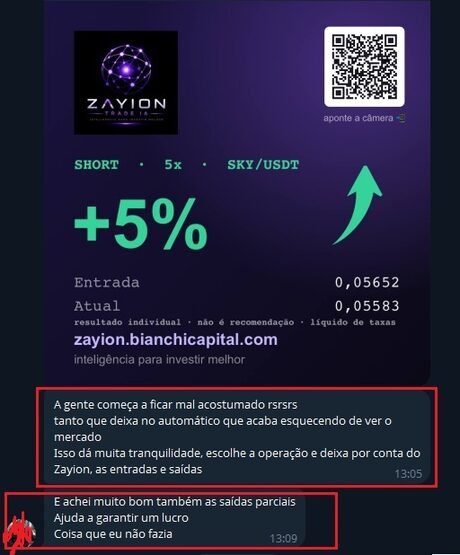
Sinal Zayion: SHORT SKY/USDT +5%
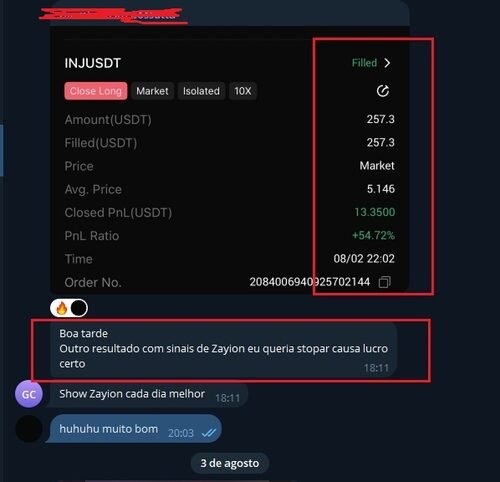
Operação fechada com +54,72% de PnL

Relato de usuário: “teve bons lucros realizados já”
Prints reais enviados por usuários. Resultados individuais e não representam garantia de rentabilidade. Conteúdo educacional, não é recomendação de investimento.
Quem escreve no CoinsFrontier
Alexandre Bianchi
Fundador da Bianchi Capital e do Zayion AI. ~10 anos no mercado de ativos digitais, autor de referência e presença na mídia.

Receba as melhores análises de cripto no seu e-mail
Automação, bots e sinais sem caixa-preta — direto no seu e-mail. Grátis.
Sem spam. Cancele quando quiser.
✅ Pronto! Confira seu e-mail (e a caixa de promoções) para confirmar.