
US court acquits MIT brothers in $25M Ethereum case, raising doubts about MEV legality
The United States federal court this week acquitted two MIT graduates accused of fraud for capturing $25 million in MEV (Maximal Extractable Value) on the Ethereum blockchain. The ruling, which found there were no clear “terms of use” on the network, could impact how projects and investors assess legal risks related to MEV—including major funds like BlackRock’s Ether staking ETF.
What happened in the MIT brothers’ trial?
On November 16, the US court acquitted Anton and James V. from MIT, who had been accused of manipulating transactions to capture $25 million in MEV on Ethereum, arguing that the blockchain does not have explicit contractual rules. According to Cointelegraph, the judge understood that, without defined terms of use, criminal fraud was not established.
The case involved advanced techniques to anticipate and reorder transactions, a practice known as MEV, which allows operators to extract additional value by prioritizing orders. The judge’s decision could set an important precedent for other cases involving the exploitation of technical vulnerabilities in public blockchains. The prosecution alleged that the brothers deceived traders by manipulating the order of transactions, but the lack of clear regulation weighed in the decision.
What is MEV and how does it affect Ethereum investors?
MEV, short for Maximal Extractable Value, refers to the profit extracted by validators or operators by reorganizing or inserting transactions into blocks on the Ethereum blockchain. According to Cointelegraph, large funds like BlackRock’s Ether staking ETF receive part of these revenues, which are generated by fees paid by traders to ensure priority for their operations.
This mechanism is controversial: on one hand, it increases the remuneration for those who validate blocks and for financial products that do staking; on the other, it can harm regular investors, who end up paying higher fees or suffering “front-running” (orders executed before theirs). With the court decision, uncertainty arises about the legal security of these revenues, since the legality of the practice remains undefined.
Why does the decision matter for ETFs and institutional investors?
The ruling left open whether MEV extraction is a crime or not, which directly impacts institutional funds and ETFs that profit from Ether staking. According to Cointelegraph, BlackRock’s Ether ETF, for example, receives part of its yield from MEV, and the legal uncertainty may pose a risk for the product and its investors.
Institutions offering products tied to Ethereum staking may, following the decision, reconsider their exposure to this type of revenue. The lack of regulatory clarity in the US could influence other markets and make it harder for new institutional investors to enter, concerned about possible future legal repercussions.
| Fact | Value | Source |
|---|---|---|
| MEV captured value | $25 million | Cointelegraph |
| Recent Binance hack movement | $137 million | Decrypt |
| Ethereum apps affected by possible upgrade | 15,000 | Decrypt |
What changes for Ethereum investors after this case?
The US court’s decision does not resolve the legal risk for investors and projects that profit from MEV, especially for those investing via ETFs or staking products. According to Cointelegraph, as long as there is no clear regulation, uncertainty about the legality of these revenues remains.
The episode reinforces the need for careful assessment of legal risks in staking and DeFi operations, especially on public blockchains like Ethereum, where practices such as MEV are common. The debate over regulation is likely to intensify, both in the US and other countries, as the sector grows and attracts major investors.
Want to trade crypto with AI support? Check out Zayion AI, Bianchi Capital’s trading assistant.
With information from Cointelegraph.
Resultados e relatos reais de quem usa o Zayion
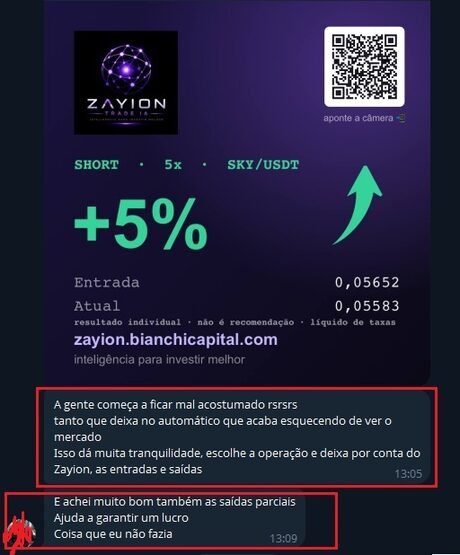
Sinal Zayion: SHORT SKY/USDT +5%
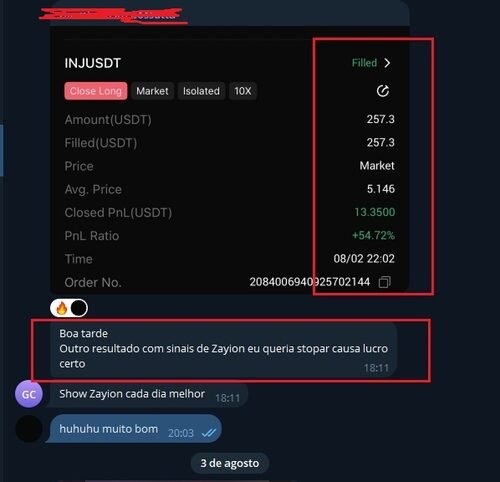
Operação fechada com +54,72% de PnL

Relato de usuário: “teve bons lucros realizados já”
Prints reais enviados por usuários. Resultados individuais e não representam garantia de rentabilidade. Conteúdo educacional, não é recomendação de investimento.
Quem escreve no CoinsFrontier
Alexandre Bianchi
Fundador da Bianchi Capital e do Zayion AI. ~10 anos no mercado de ativos digitais, autor de referência e presença na mídia.

Receba as melhores análises de cripto no seu e-mail
Automação, bots e sinais sem caixa-preta — direto no seu e-mail. Grátis.
Sem spam. Cancele quando quiser.
✅ Pronto! Confira seu e-mail (e a caixa de promoções) para confirmar.