
Argentina will share Bitcoin and crypto tax data starting in 2029
Argentina has announced that it will automatically share tax data related to Bitcoin and other cryptocurrencies with tax authorities in other countries starting in September 2029, by implementing the Crypto-Asset Reporting Framework (CARF). The decision places the country alongside 77 other jurisdictions that have already made similar commitments, following OECD and G20 guidelines, and marks a significant shift in transparency and oversight of the Argentine crypto market.
What is the Crypto-Asset Reporting Framework?
The Crypto-Asset Reporting Framework (CARF) was developed by the Organisation for Economic Co-operation and Development (OECD) to create an international standard for reporting and the automatic exchange of tax information on digital assets. The goal is to combat tax evasion and increase transparency in crypto asset operations, requiring exchanges, wallet providers, and other intermediaries to report detailed information about their users’ transactions.
CARF covers a wide range of digital assets, including Bitcoin (BTC), Ethereum (ETH), and stablecoins, as well as non-fungible tokens (NFTs) and other digital instruments that can be used for investment or payment. The model follows a logic already applied in the Common Reporting Standard (CRS) for bank accounts, but adapted to the decentralized and global nature of the crypto market.
Impact for investors and exchanges in Argentina
Argentina’s decision to join CARF could profoundly change the landscape for investors and crypto trading platforms in the country. Starting in 2029, local and international exchanges operating in Argentina will need to collect, store, and report detailed data on user balances, transactions, and identities to tax authorities, who will then share this information with other signatory countries.
For investors, this means greater scrutiny of international operations and a possible increase in compliance requirements, especially for those moving large volumes. On the other hand, the measure could help legitimize the sector with regulators and traditional financial institutions, making it easier to access banking services and reducing the risk of blocks or restrictions.
Argentina follows global trend of crypto regulation
By joining CARF, Argentina joins a group of 77 jurisdictions, including members of the European Union, United Kingdom, Australia, Canada, and Brazil, that have already announced commitments to the automatic exchange of tax data on crypto assets. This trend reflects growing concern among governments and multilateral organizations about the use of crypto assets for tax evasion and money laundering.
The OECD standard, supported by the G20, seeks to create a more predictable and integrated regulatory environment for the global cryptocurrency market. For Argentina, which in recent years has seen significant growth in the adoption of Bitcoin and stablecoins as protection against inflation and currency controls, the measure could represent a milestone in the institutionalization of the local crypto market.
What to expect by 2029?
Although CARF implementation is scheduled for September 2029, the announcement already signals to exchanges, investors, and tax advisors that major changes are coming in the next few years. Companies in the sector will have to invest in robust compliance and KYC (Know Your Customer) systems, while investors should prepare for greater transparency and reporting requirements, especially for cross-border operations.
The Argentine move may also influence other Latin American countries, encouraging regulatory harmonization and tax information exchanges in the region. For investors, it is essential to follow the evolution of the rules and seek specialized guidance to avoid future tax risks.
Want to trade crypto with AI support? Check out Zayion AI, the trading assistant from Bianchi Capital.
With information from BeInCrypto Brazil. September 2026.
Resultados e relatos reais de quem usa o Zayion
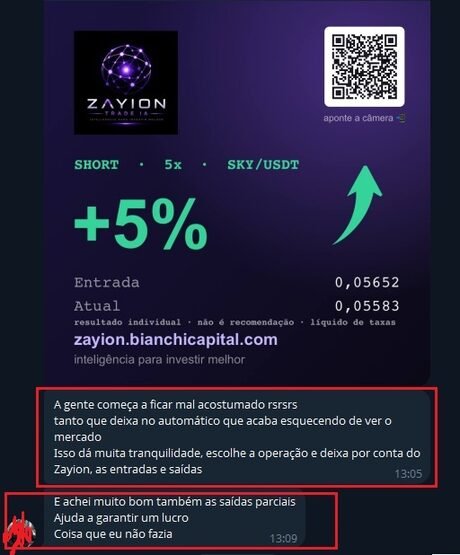
Sinal Zayion: SHORT SKY/USDT +5%
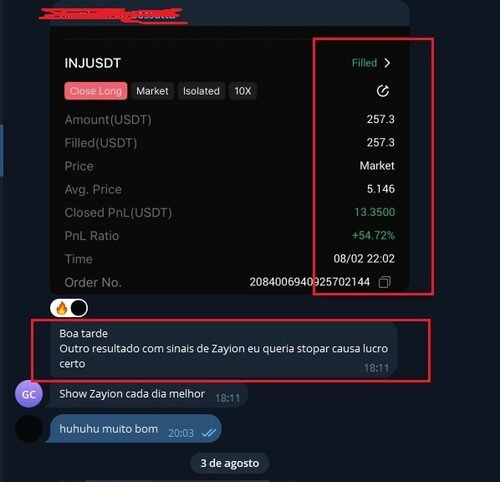
Operação fechada com +54,72% de PnL

Relato de usuário: “teve bons lucros realizados já”
Prints reais enviados por usuários. Resultados individuais e não representam garantia de rentabilidade. Conteúdo educacional, não é recomendação de investimento.
Quem escreve no CoinsFrontier
Alexandre Bianchi
Fundador da Bianchi Capital e do Zayion AI. ~10 anos no mercado de ativos digitais, autor de referência e presença na mídia.

Receba as melhores análises de cripto no seu e-mail
Automação, bots e sinais sem caixa-preta — direto no seu e-mail. Grátis.
Sem spam. Cancele quando quiser.
✅ Pronto! Confira seu e-mail (e a caixa de promoções) para confirmar.