
Bolivia and the IMF agree on regulatory framework for cryptocurrencies
The Bolivian government announced, in September 2026, an agreement with the International Monetary Fund (IMF) to develop the country’s first regulatory framework dedicated to cryptocurrencies. The commitment was formalized in an official memorandum, marking a significant shift in Bolivia’s stance on digital assets, with the goal of strengthening the financial system and seeking stability amid one of the worst economic crises in its recent history.
Historic shift in Bolivia’s crypto policy
Until now, Bolivia had one of the strictest policies in Latin America regarding the use of cryptocurrencies, even banning transactions with digital assets since 2014. The new agreement with the IMF represents a change of direction, signaling that the government intends to create clear rules for the crypto sector and make room for financial innovation, following trends seen in other countries in the region.
The memorandum presented this month details that Bolivia, with technical support from the IMF, will develop a regulatory framework capable of mitigating risks such as money laundering, tax evasion, and volatility, but also taking advantage of opportunities for financial inclusion and modernization of the capital market.
Economic context and expected impacts
The decision comes amid an economic crisis that is pressuring the Bolivian government to seek new sources of growth and stability. The country faces a shortage of international reserves, high inflation, and difficulties accessing external financing. For the IMF, the adoption of well-defined rules for cryptocurrencies could help attract investment, increase the confidence of economic agents, and strengthen financial control mechanisms.
According to the agreement, Bolivia will present a timeline for public consultations and the drafting of legislative proposals, as well as involve the Central Bank and financial sector regulators. The IMF, in turn, will provide technical assistance, sharing experiences from other emerging markets that have already implemented regulatory frameworks for crypto assets.
What changes for investors and the crypto sector
The creation of a regulatory framework could pave the way for the controlled legalization of cryptocurrency exchanges, new blockchain-based financial products, and the entry of international fintechs into the Bolivian market. Experts point out that if the rules are balanced, the country could benefit from greater competitiveness and innovation, as well as expand access to digital services for unbanked citizens.
However, the regulatory process is still expected to face challenges, such as the need to train public officials, define compliance standards, and integrate with traditional payment systems. The global market is watching Bolivia’s move as part of a broader trend of progressive cryptocurrency regulation in Latin America, with potential impacts on prices and regional adoption.
Next steps and expectations
The Bolivian government is expected to begin, in the coming months, consultations with private sector representatives, crypto asset experts, and civil society before submitting proposals to the legislature. The IMF will closely monitor the process, assessing the implementation of risk controls and consumer protection.
Want to trade crypto with AI support? Check out Zayion AI, Bianchi Capital’s trading assistant.
With information from BeInCrypto Brazil.
Resultados e relatos reais de quem usa o Zayion
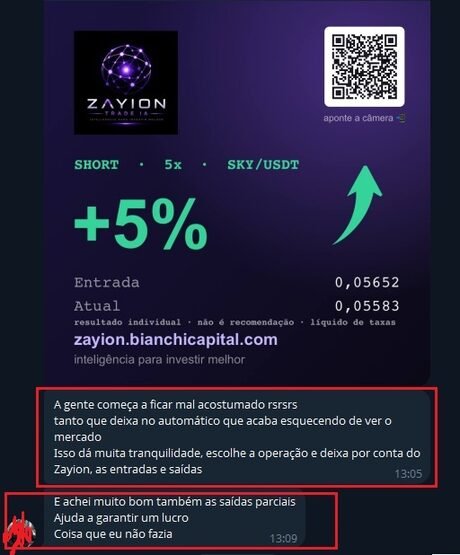
Sinal Zayion: SHORT SKY/USDT +5%
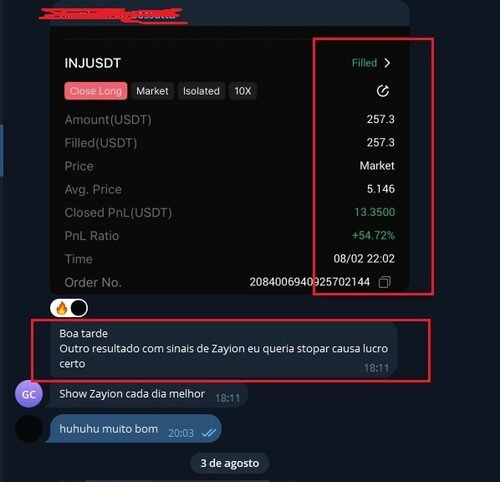
Operação fechada com +54,72% de PnL
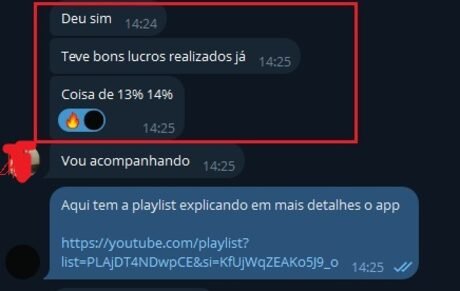
Relato de usuário: “teve bons lucros realizados já”
Prints reais enviados por usuários. Resultados individuais e não representam garantia de rentabilidade. Conteúdo educacional, não é recomendação de investimento.
Quem escreve no CoinsFrontier
Alexandre Bianchi
Fundador da Bianchi Capital e do Zayion AI. ~10 anos no mercado de ativos digitais, autor de referência e presença na mídia.

Receba as melhores análises de cripto no seu e-mail
Automação, bots e sinais sem caixa-preta — direto no seu e-mail. Grátis.
Sem spam. Cancele quando quiser.
✅ Pronto! Confira seu e-mail (e a caixa de promoções) para confirmar.